

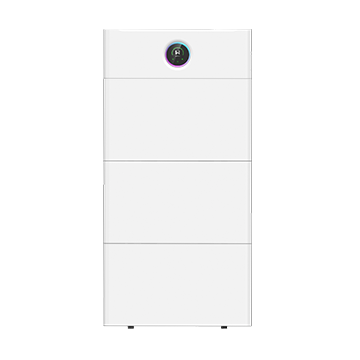
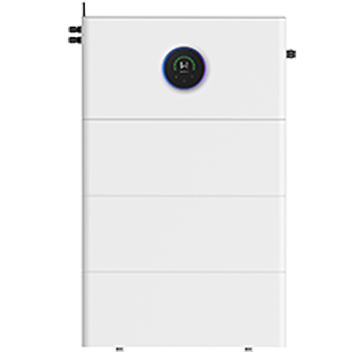

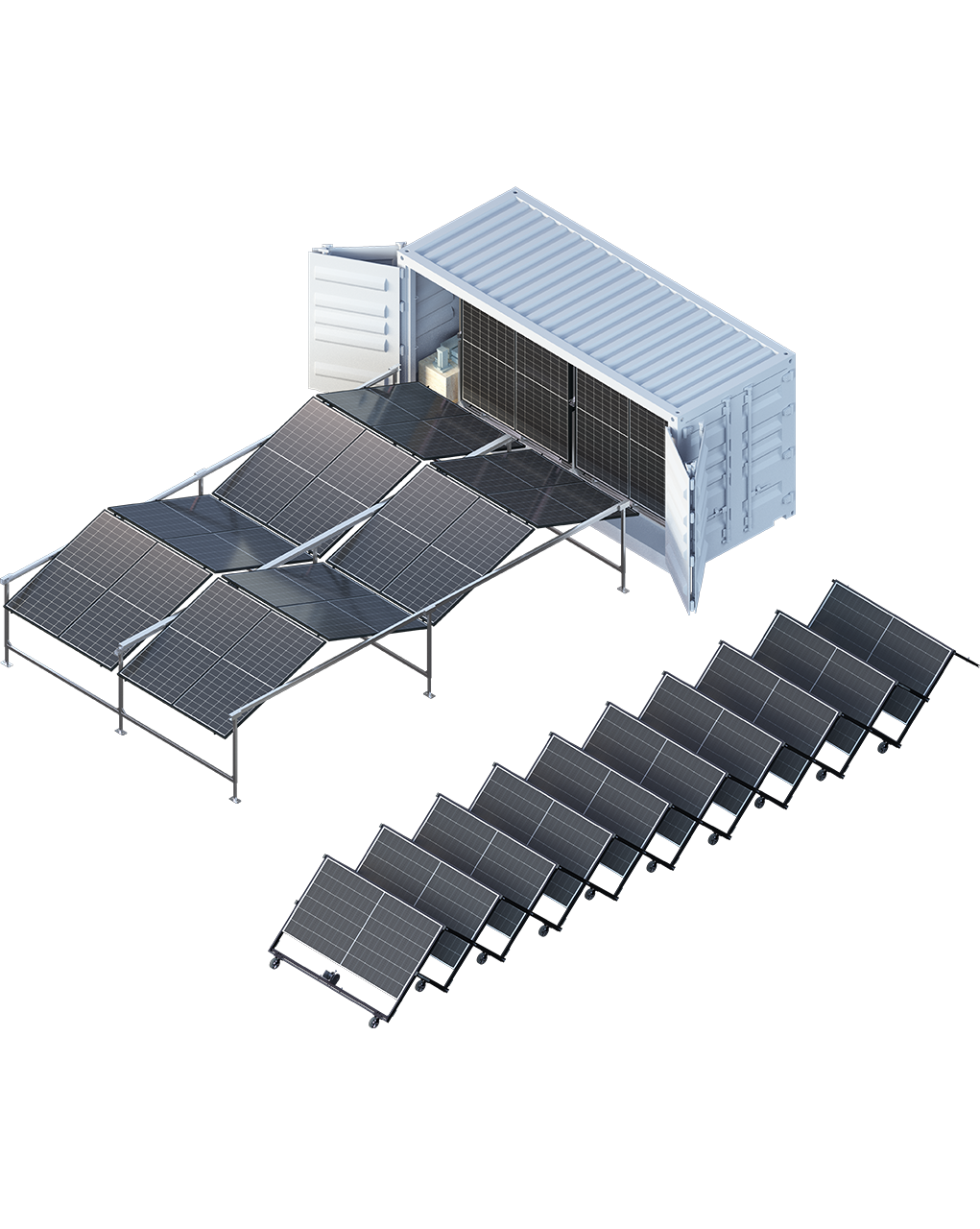
















- Sunshine
- Oasis
- Galaxy
- Polaris
- Suncake
- ESA-Athena Series
- Rooftop Solution
- Vela Series (Residential)
- Strix Series (Commercial)
- Garden Solution
- Shading Solution
- Technical Specifications & Installation
- Battery Engineering & "Mix & Match" Capability
- Environmental & Operational Endurance
- Smart Power & Backup Performance
- Safety, Compliance, and Longevity
- Surge current FAQ
-
QWhat is the difference in output capability between the Athena Original (1500W) and the Athena S3 (3000W)?
The primary difference is the maximum continuous power output available from the off-grid backup port. The Athena Original is structurally limited to 1500W, making it ideal for essential loads like lighting, routers, and smaller electronics. The Athena S3 features a 3000W capacity, allowing it to handle more demanding household appliances, such as larger refrigerators, multiple fans, or heavier kitchen equipment, with a significantly reduced risk of triggering overload protection.
-
QWhy does my Athena system shut down when I connect a device that is under the wattage limit?
This is typically caused by surge power (also known as starting wattage). Many appliances, particularly those with motors or compressors (e.g., refrigerators, water pumps, air conditioners), require a massive, instantaneous burst of energy to start. This startup surge can be 4 to 7 times higher than the device's listed running wattage. Even if the device's continuous running power is within your system's limit, that initial surge can breach the 1500W or 3000W threshold, triggering the inverter's safety shutdown to prevent hardware damage.
-
QHow can I safely connect an appliance if I am not sure about its surge power requirements?
We recommend using a "staggered start" strategy. If you must use multiple motor-driven appliances, do not turn them on simultaneously. Start the most critical device first and allow it to settle into its steady-state running power before turning on the next device. If the system still shuts down, the combined surge requirement of those devices likely exceeds your specific model's inverter threshold, and you should disconnect one of the appliances.
-
QDoes the "1500W" or "3000W" limit apply to everything I plug into the system at once?
Yes. The limit applies to the total combined power currently being pulled from the off-grid backup port. This includes the steady running wattage of all active devices plus the instantaneous surge power of any device currently attempting to start. To avoid system shutdowns, ensure that the sum of all running loads and the peak startup surge of the largest device remains below your Athena model’s maximum output capacity.
-
QIs the maximum power output always the same, or does it change based on conditions?
The maximum output is a structural hardware limit, but it can be affected by operational conditions. Under extreme environmental temperatures (very high heat) or when the battery's State of Charge (SOC) is critically low, the system may implement "power derating"—a safety feature where the inverter proactively reduces its maximum output capacity to protect the battery and internal components.
-
QCan I use a "surge protector" power strip to prevent my Athena from shutting down?
No. A standard consumer "surge protector" power strip is designed to defend your electronics against dangerous voltage spikes coming from the power grid. It cannot limit or "smooth out" the high-wattage startup demand required by your appliances. If an appliance's surge power exceeds the Athena’s output limit, a power strip will not prevent the Athena’s internal overload protection from activating.


