

















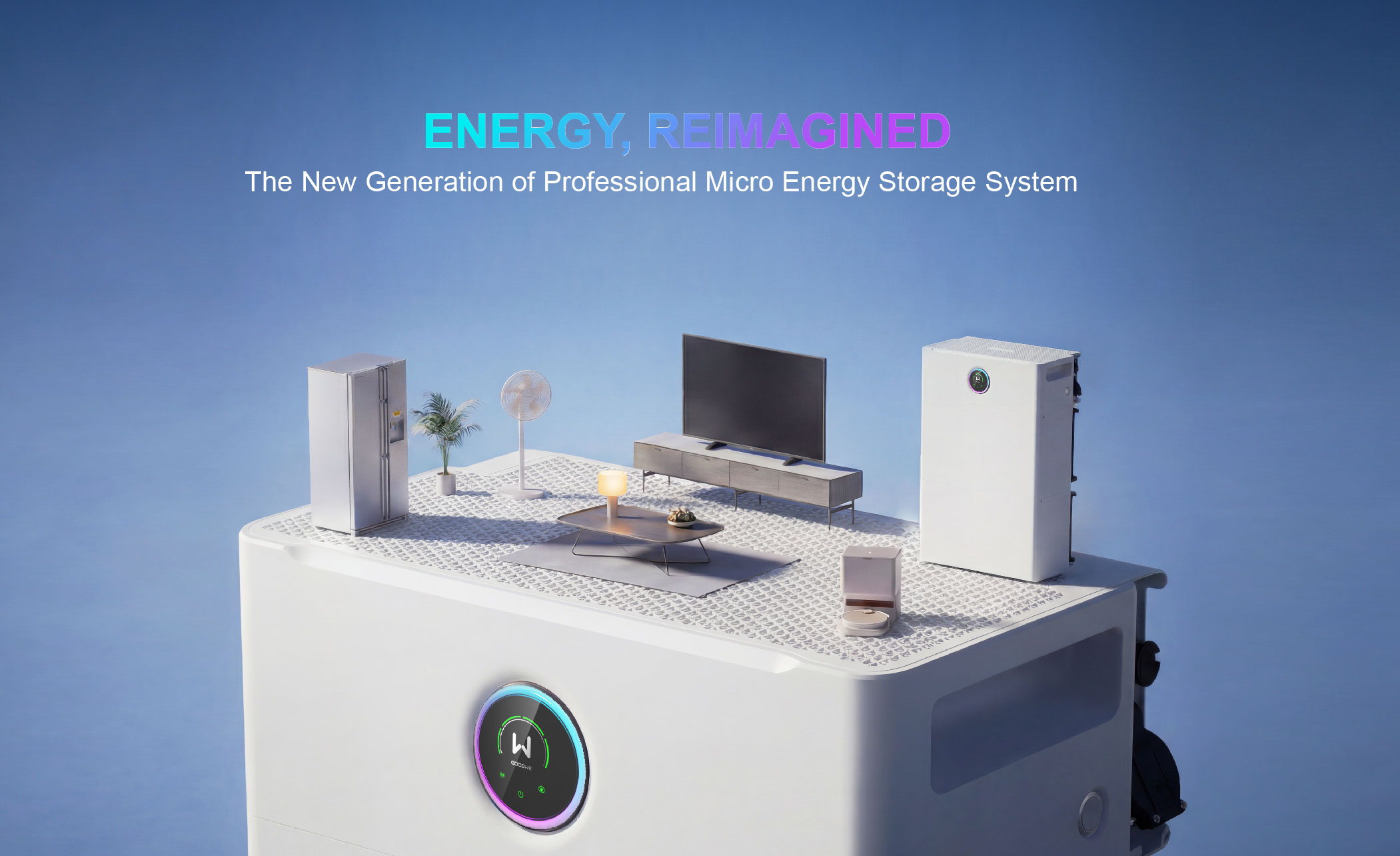
ENERGY, REIMAGINED
The New Generation of Professional Micro Energy Storage System

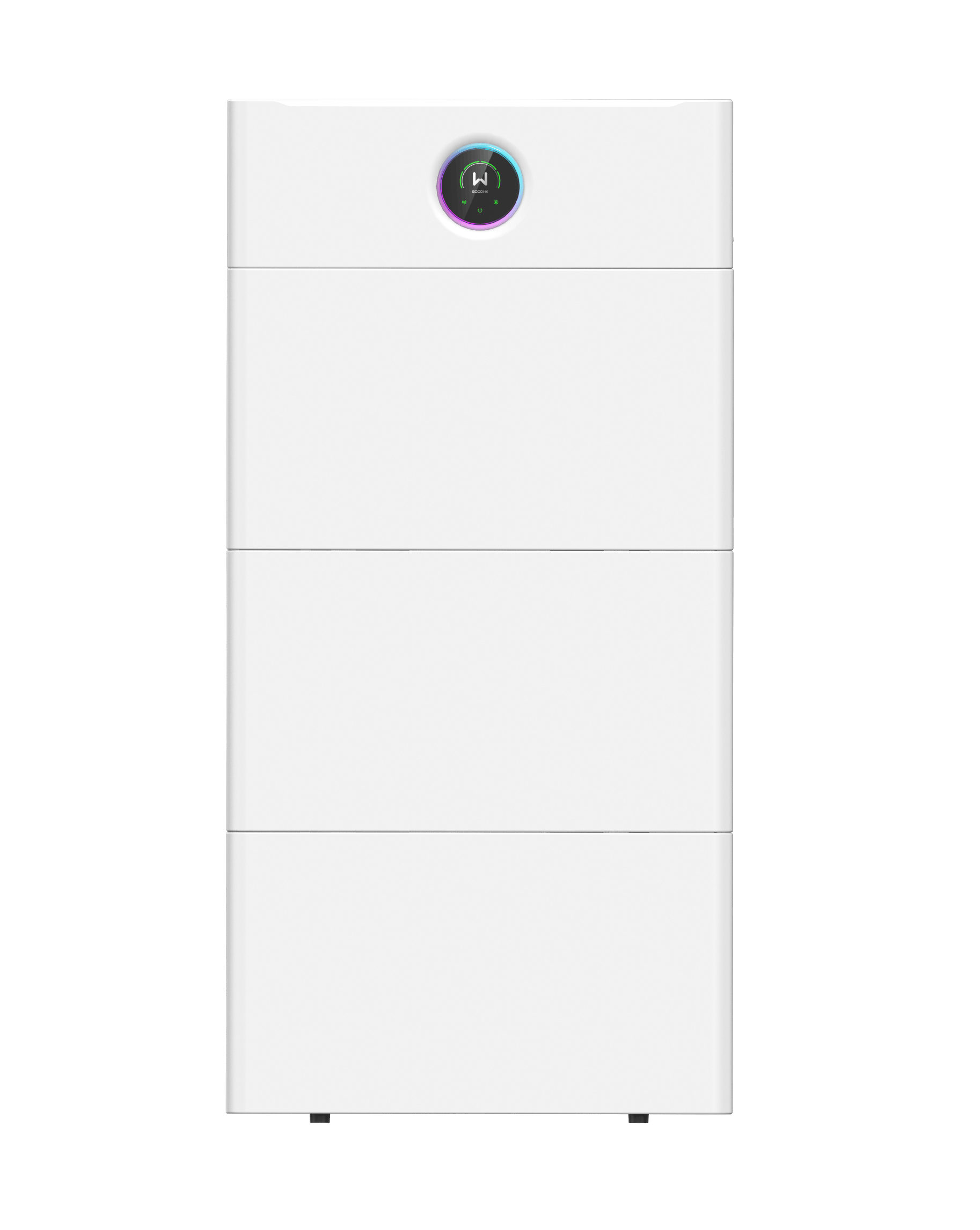
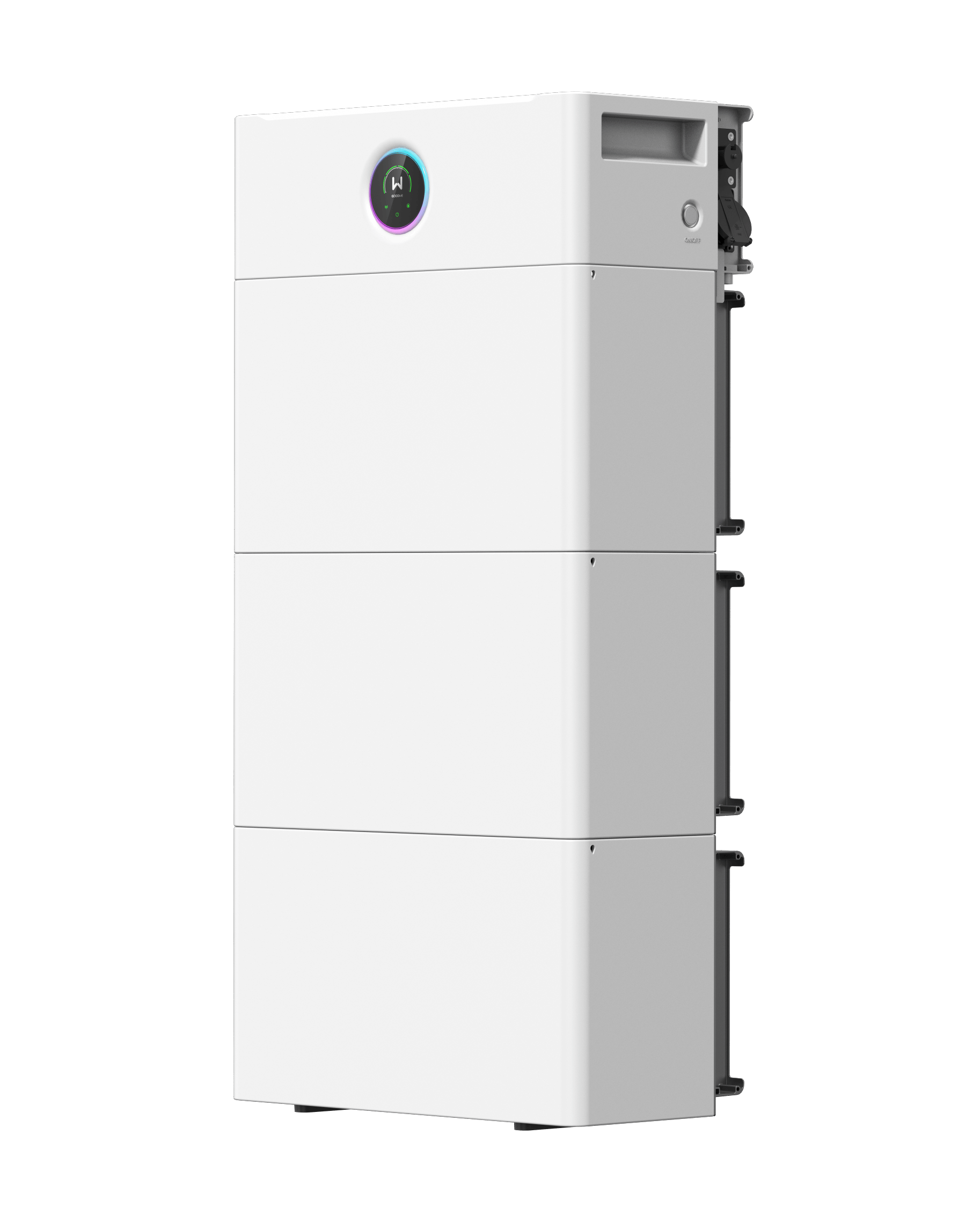
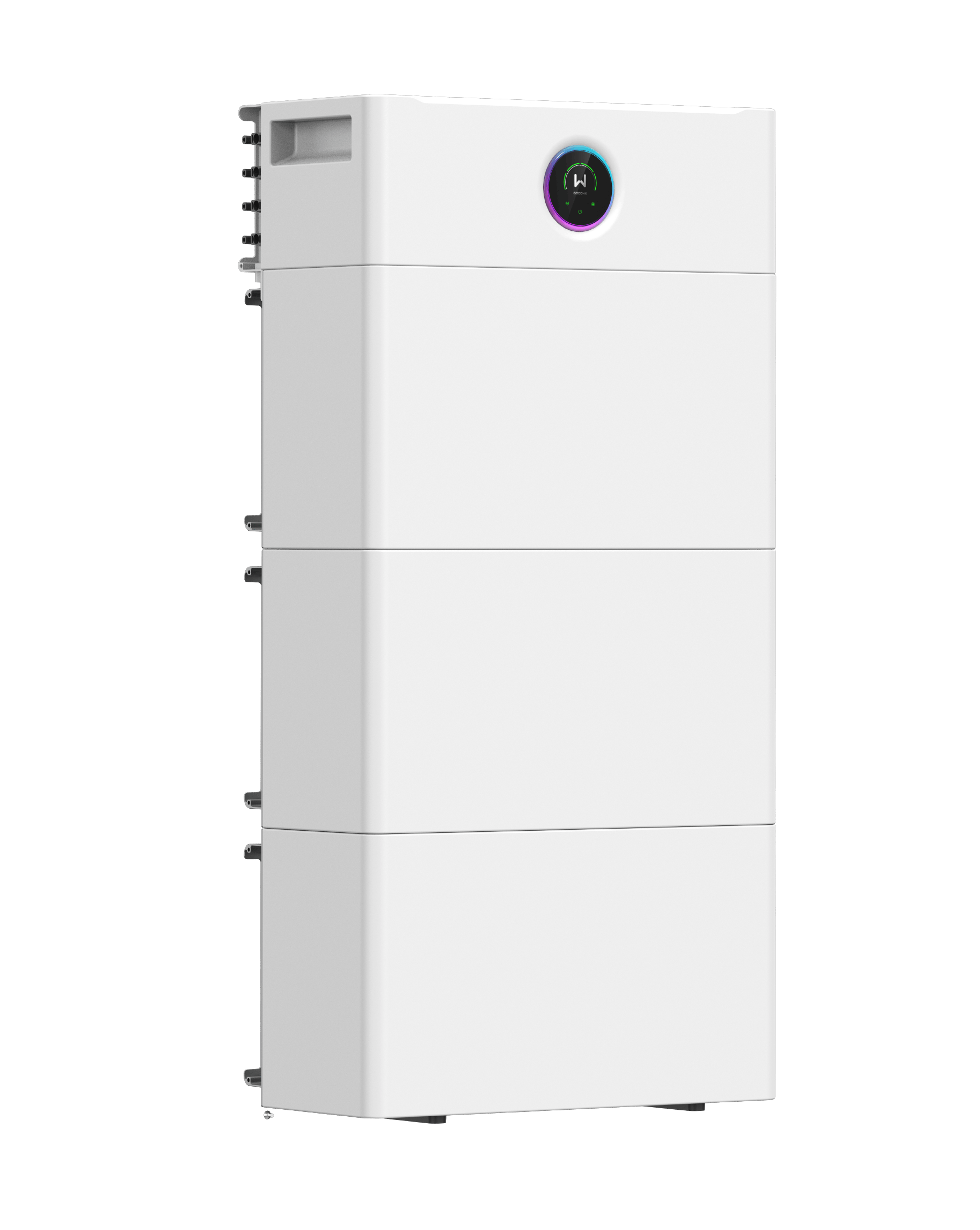
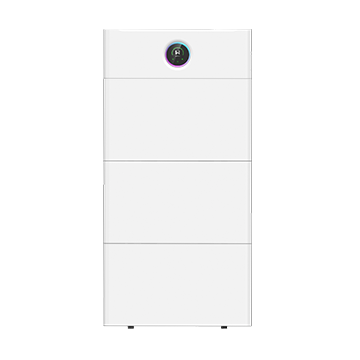
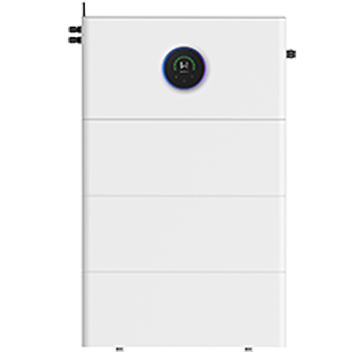
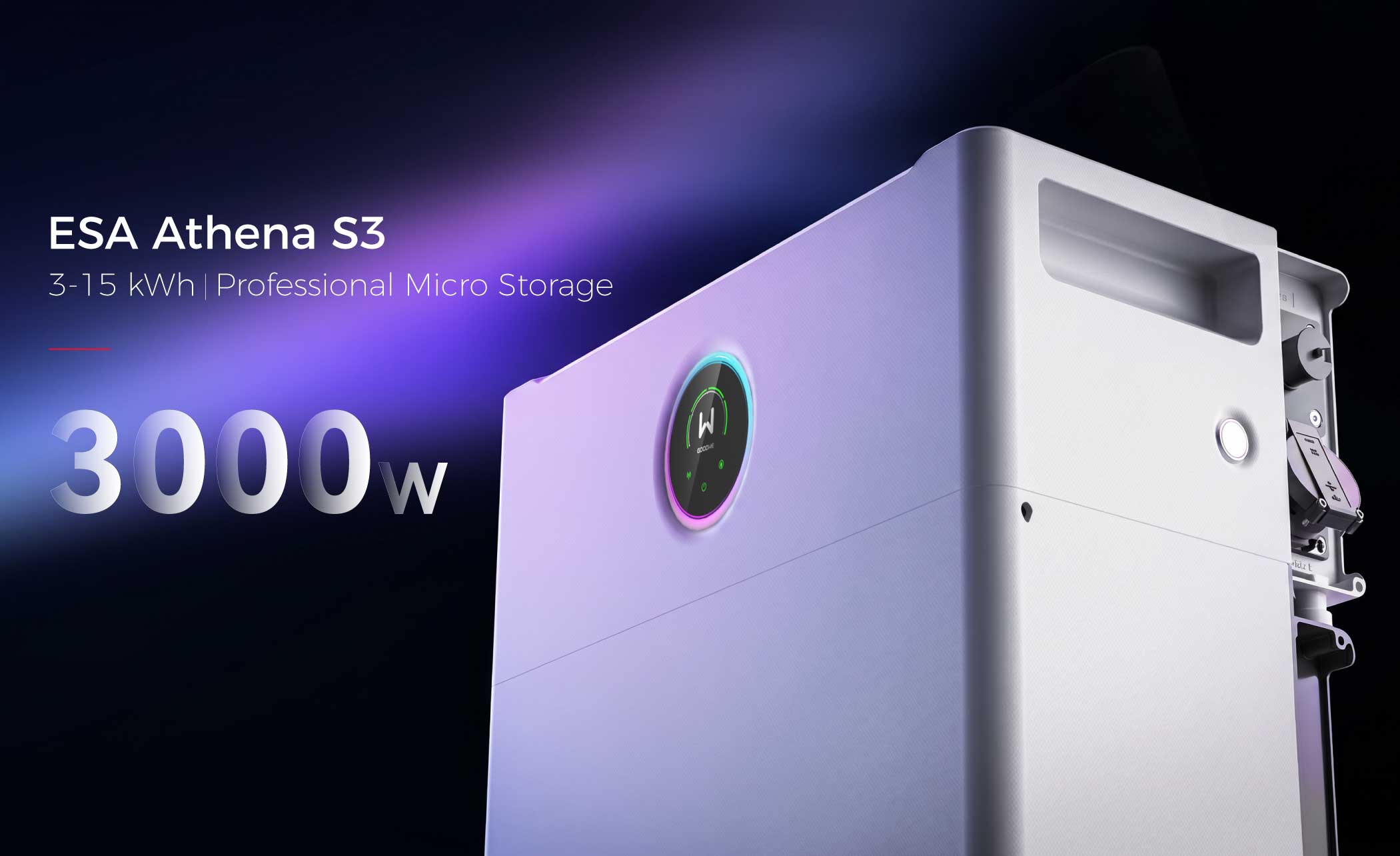
ESA Athena S3
-

 0.8/3 kW
 -
 3-15 kWh
-

AI Energy Intelligence
-

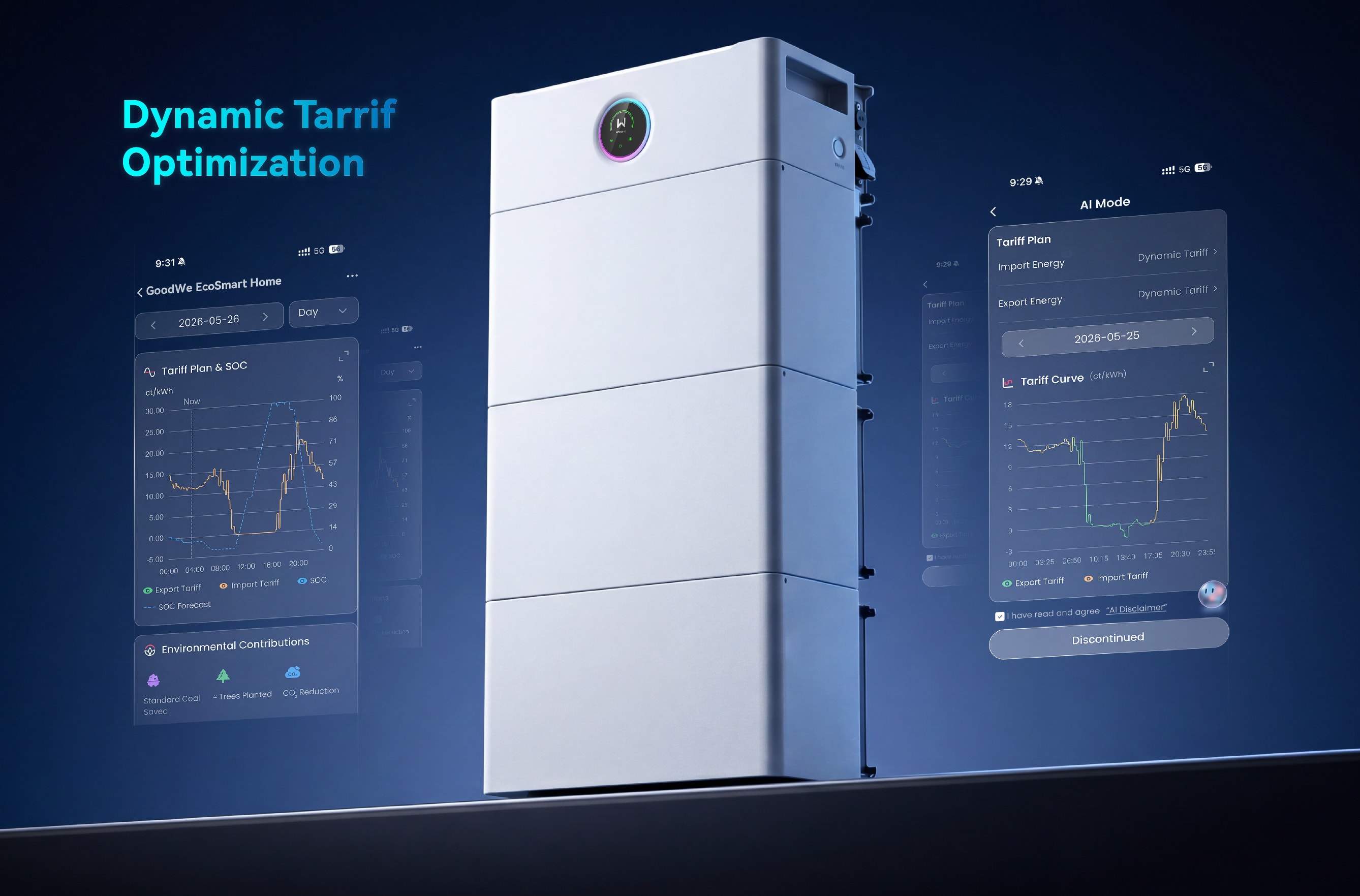
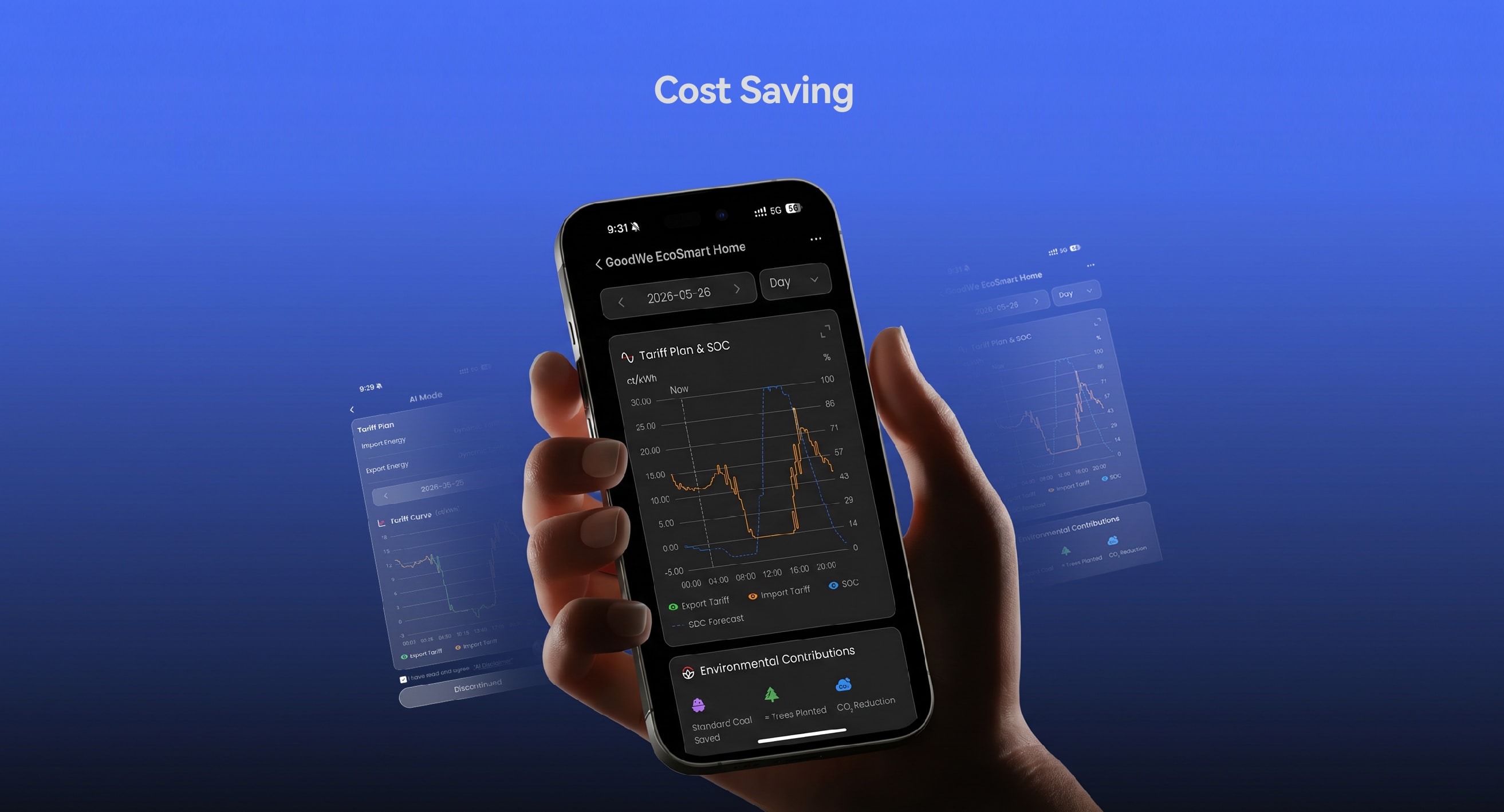
Dynamic Tarrif Optimization
-

Universal Meter Compatibility
-

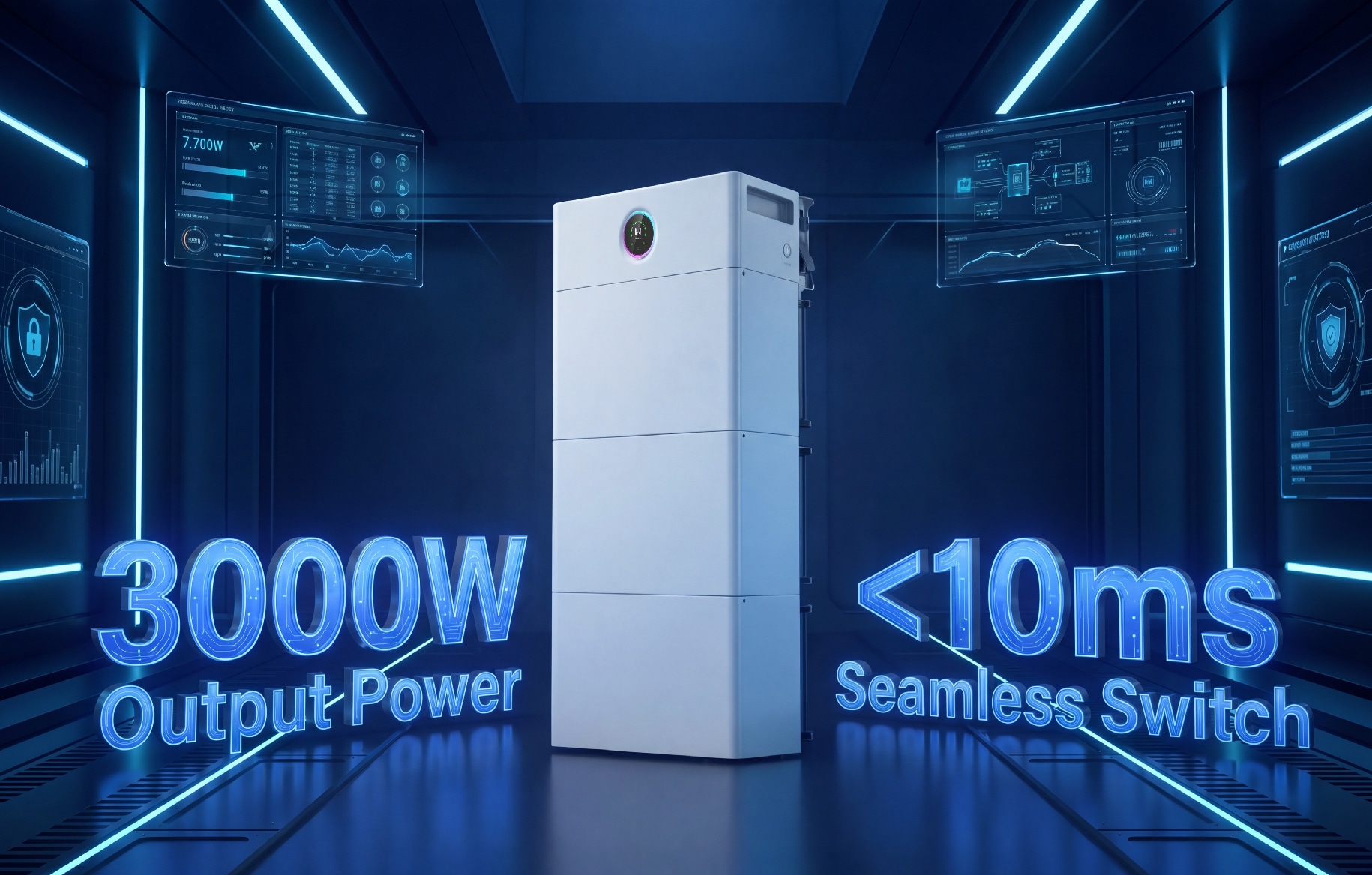
Up to 3000W Output Power
-

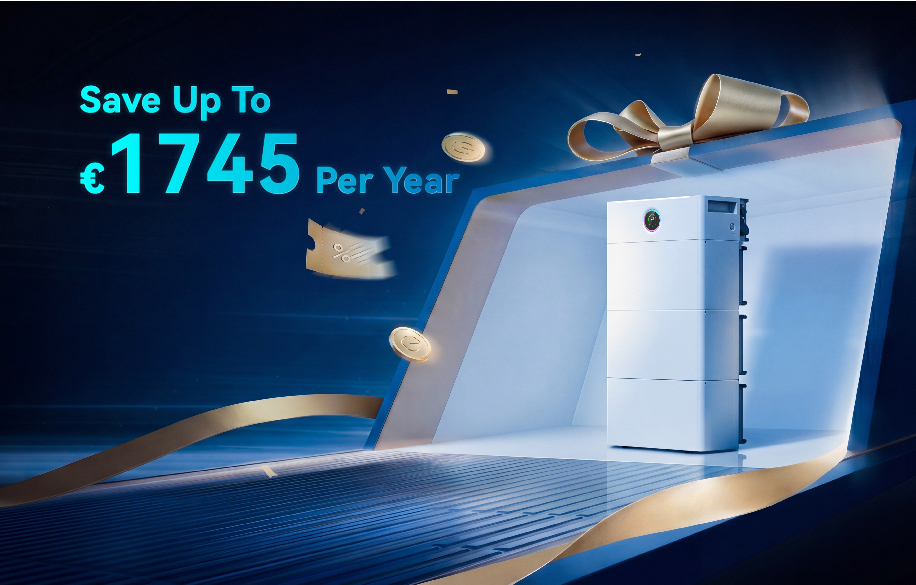
Annual Savings up to €1745
-

Modular Stacking with Blind-mate Design
-

Lightweight Battery Modules under 29kg




-
-


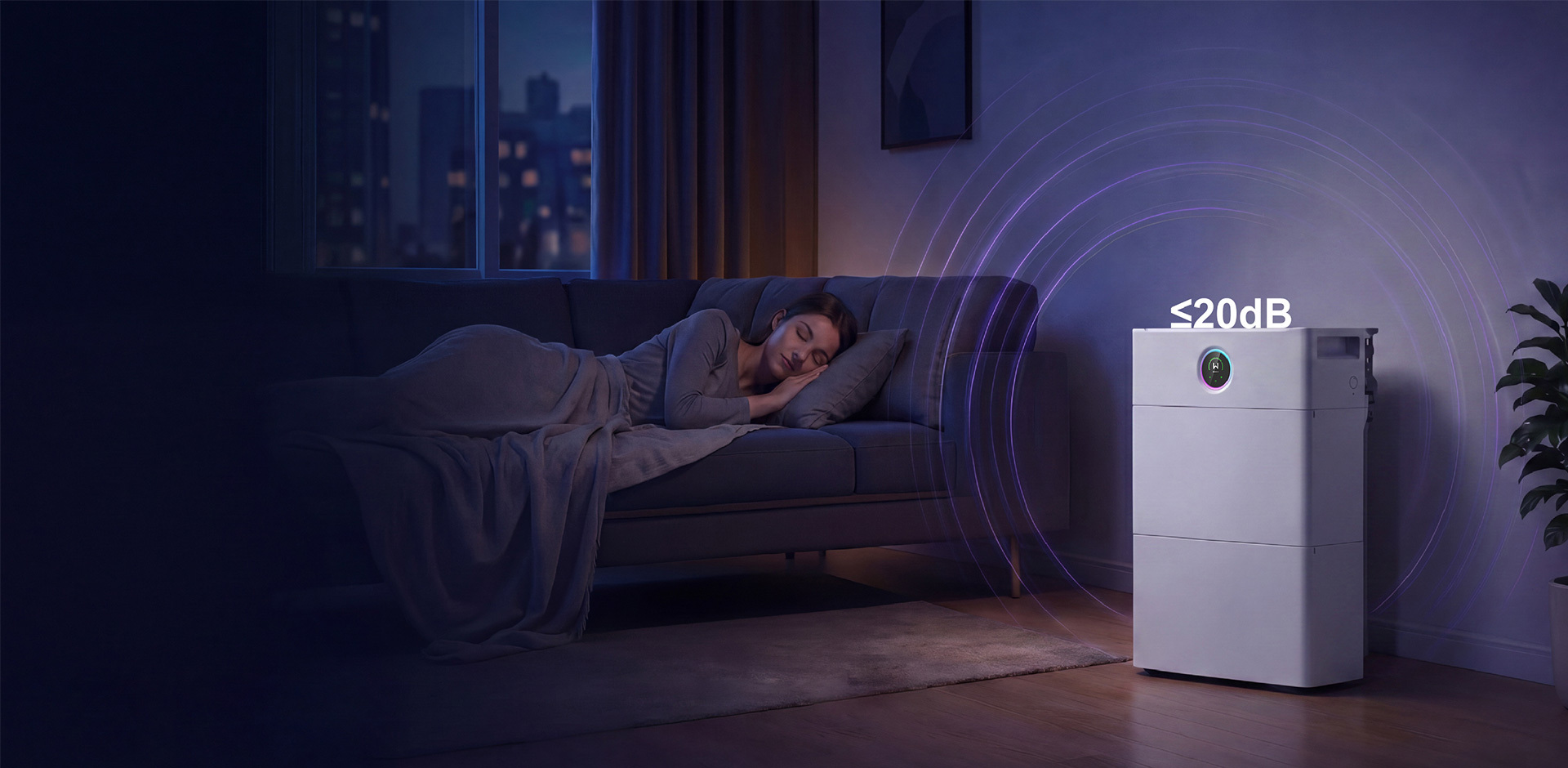
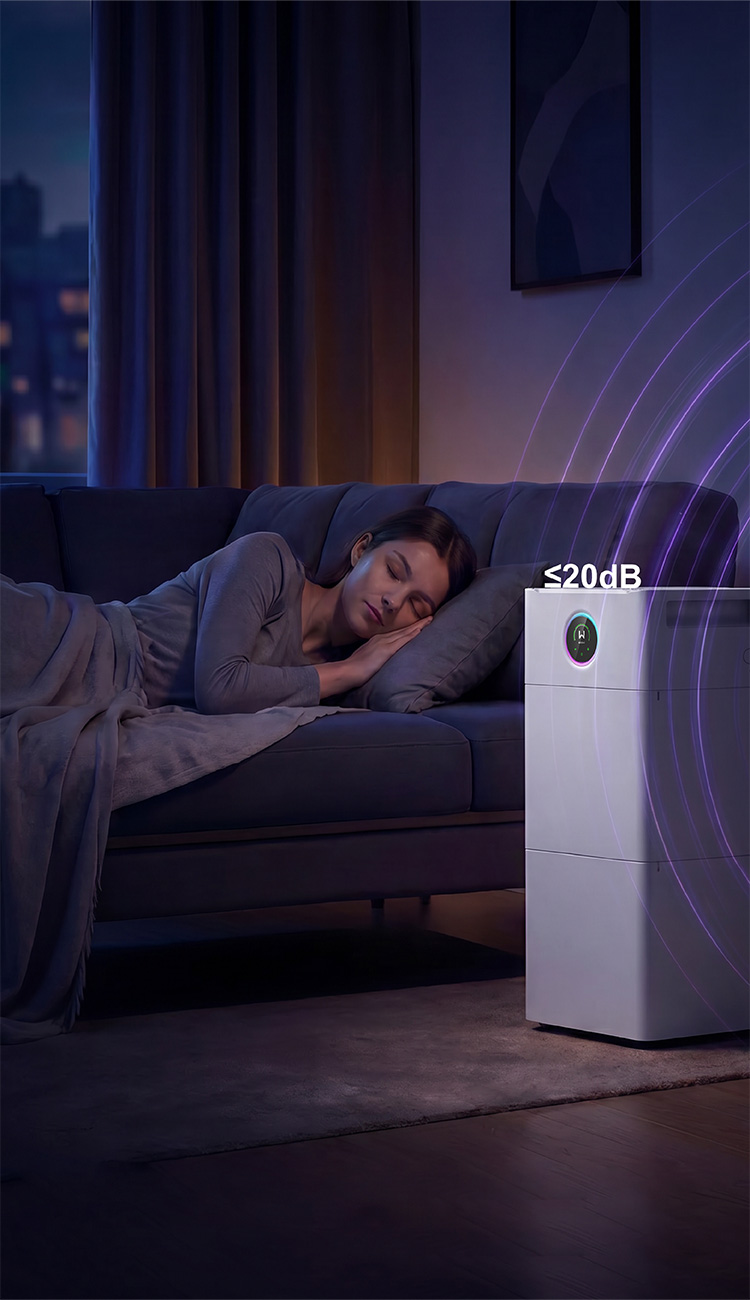
≤20dB Quiet Operation
-

Fanless High-conductivity Thermal Design
-
-
-

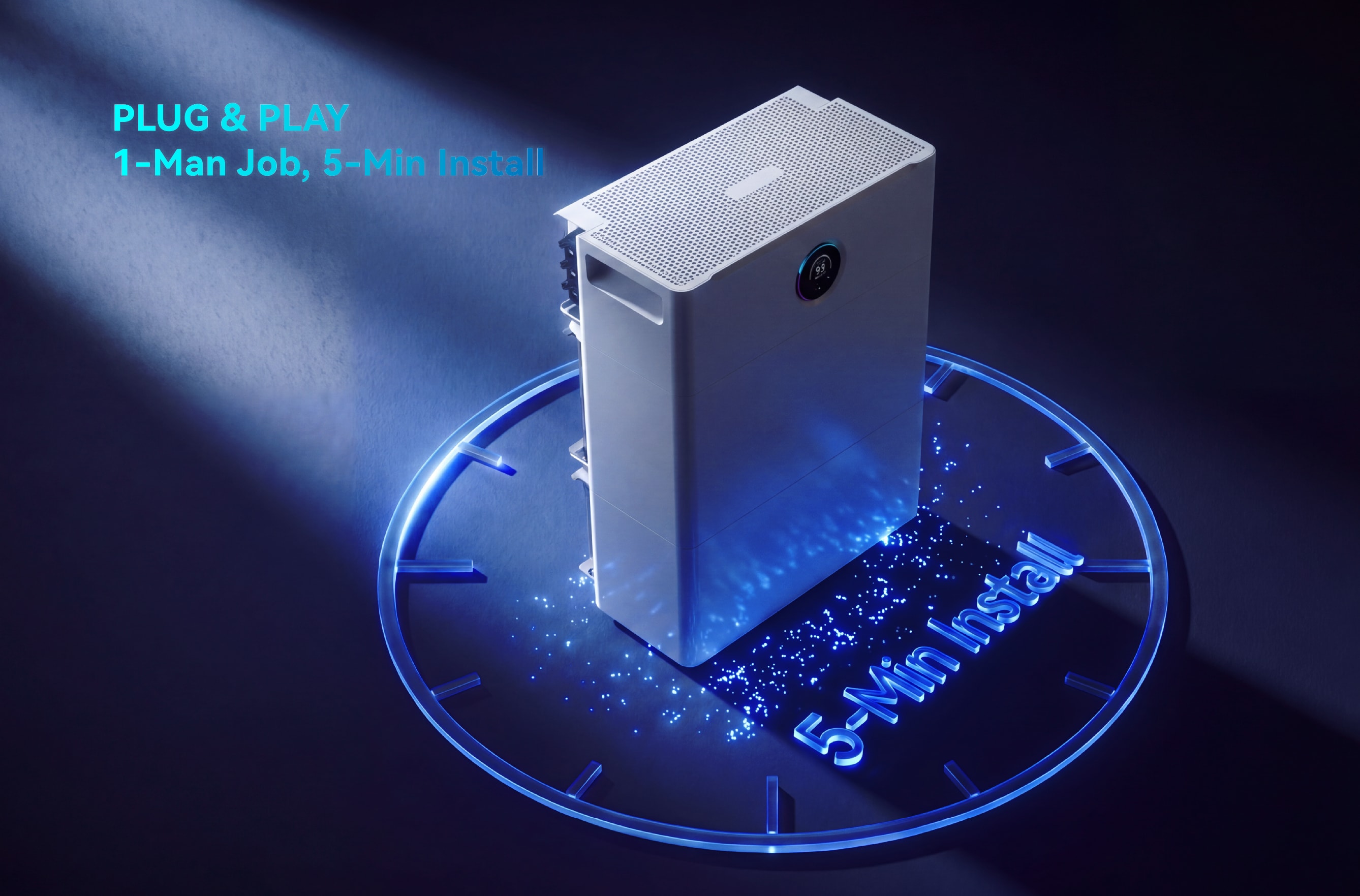
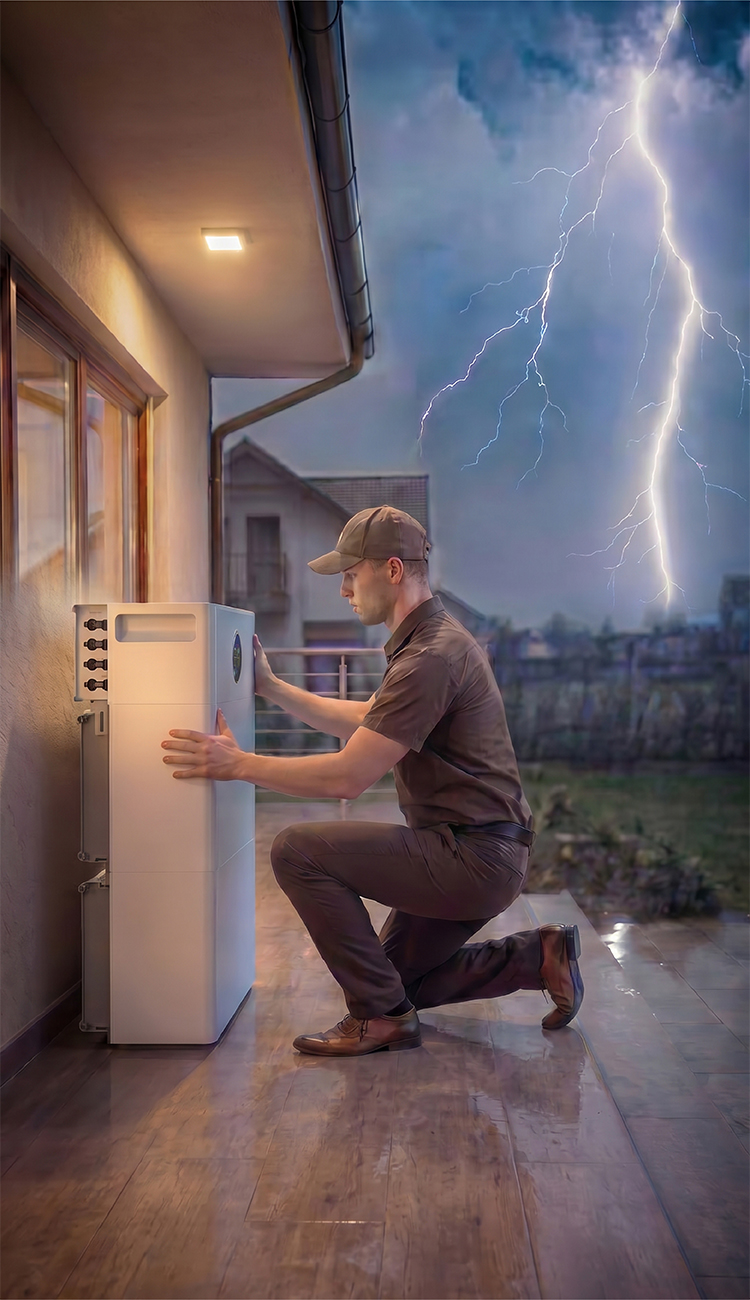
1-Man Job, 5-Min Install
-
-
-

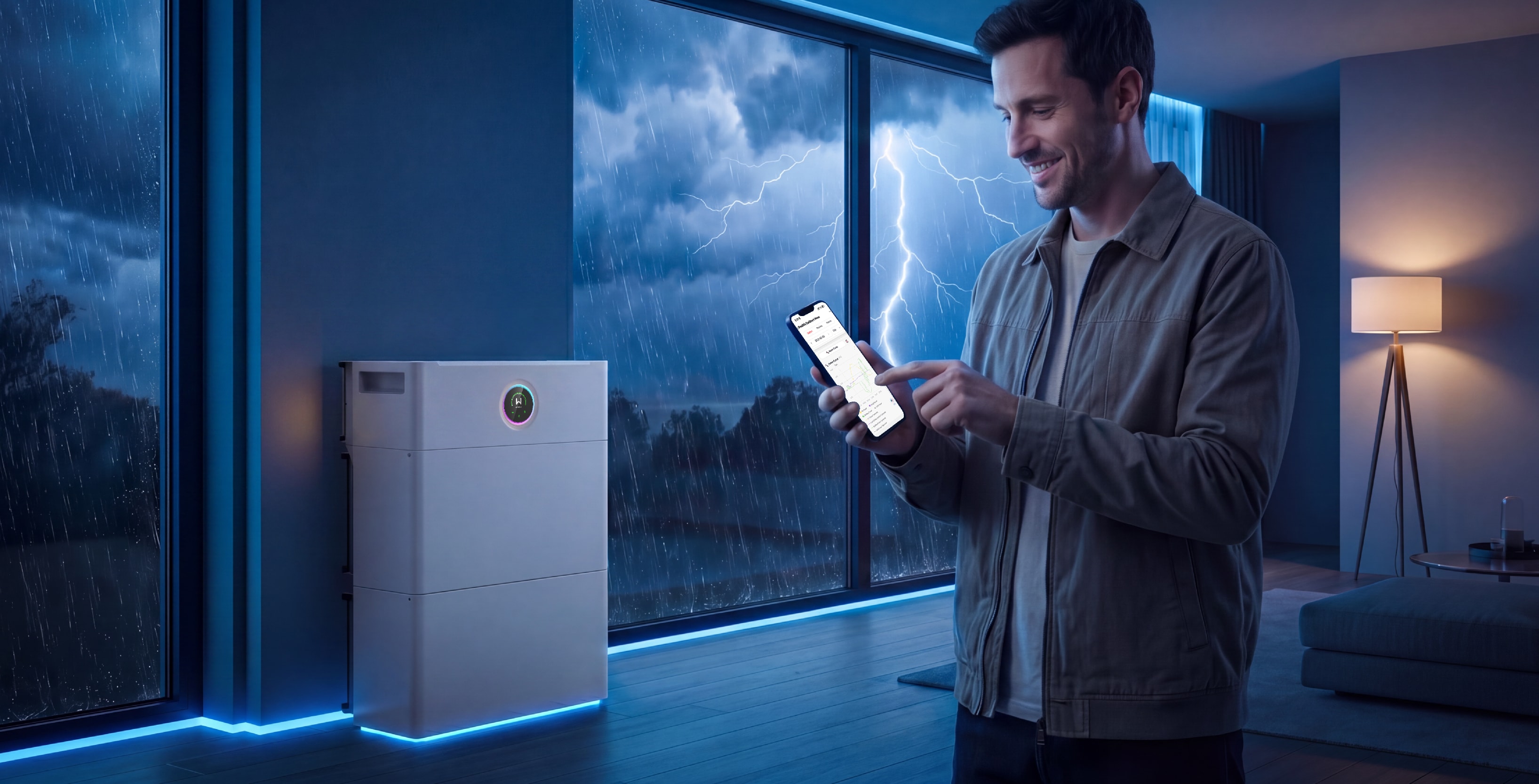
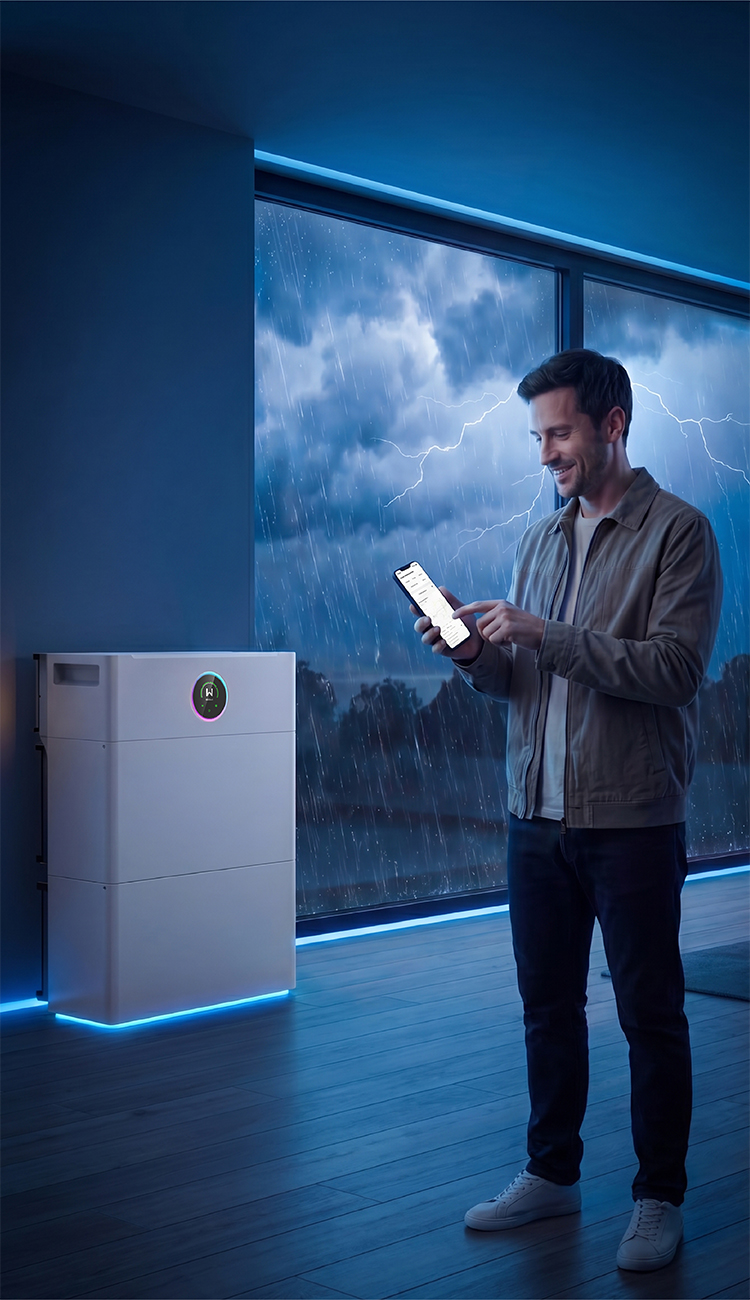
AI Agent
-

Dynamic Tarrif Optimization
-
-
-

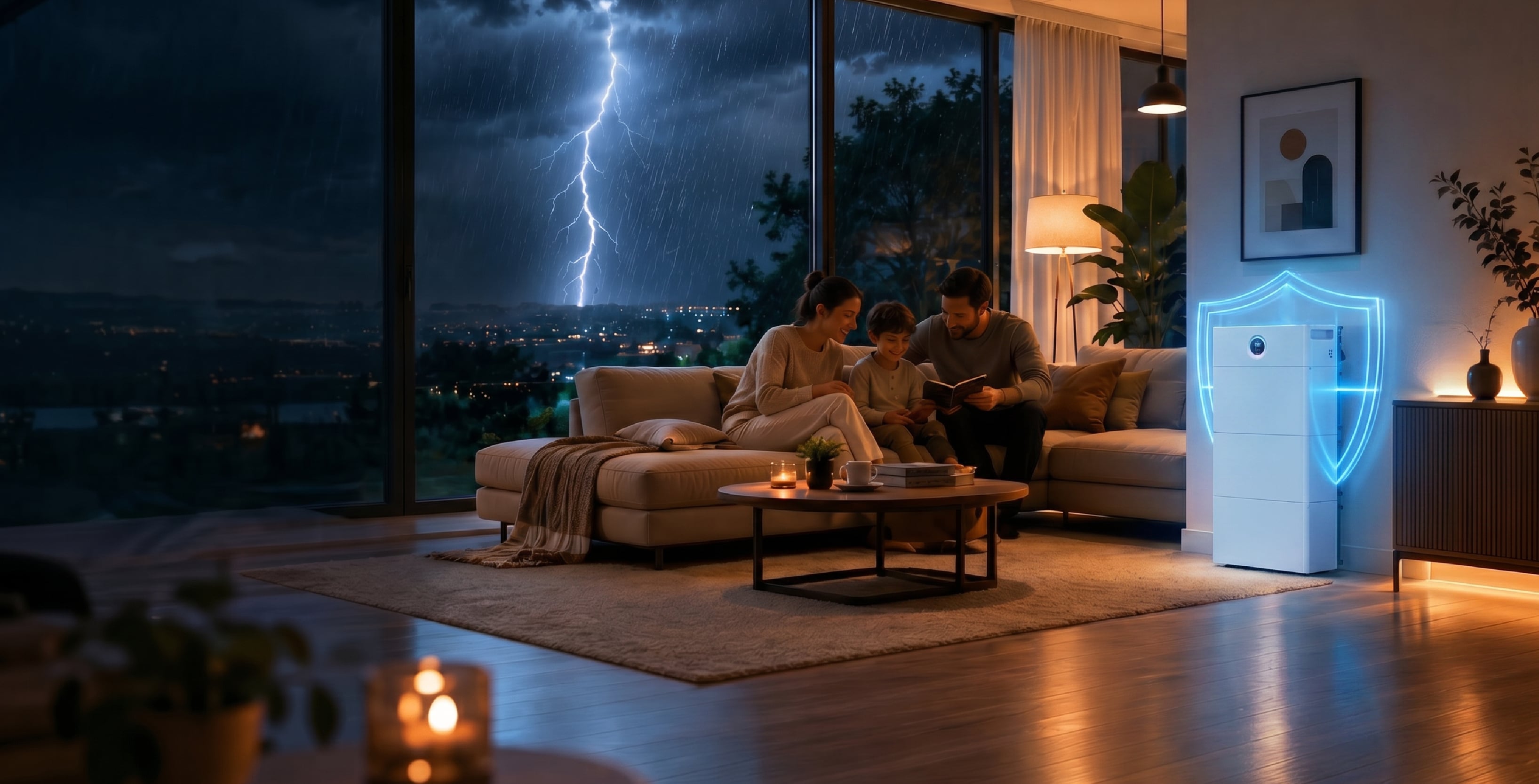
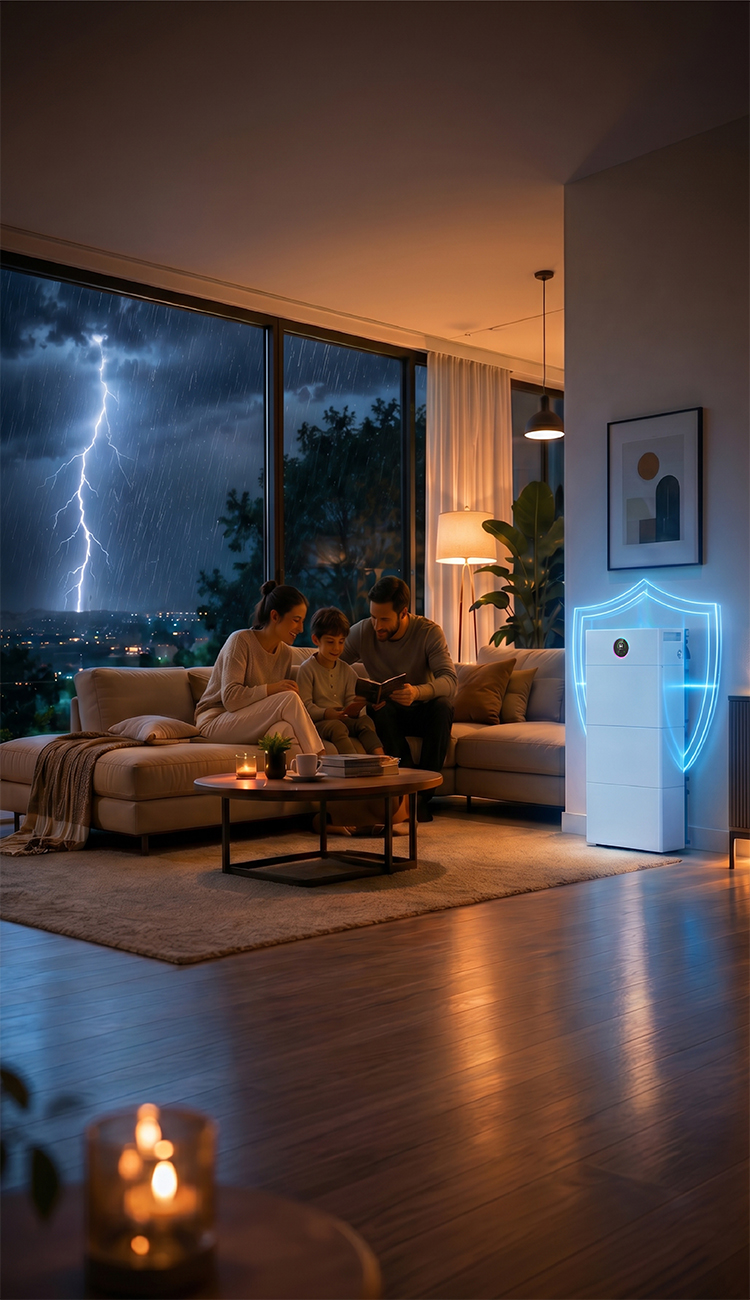
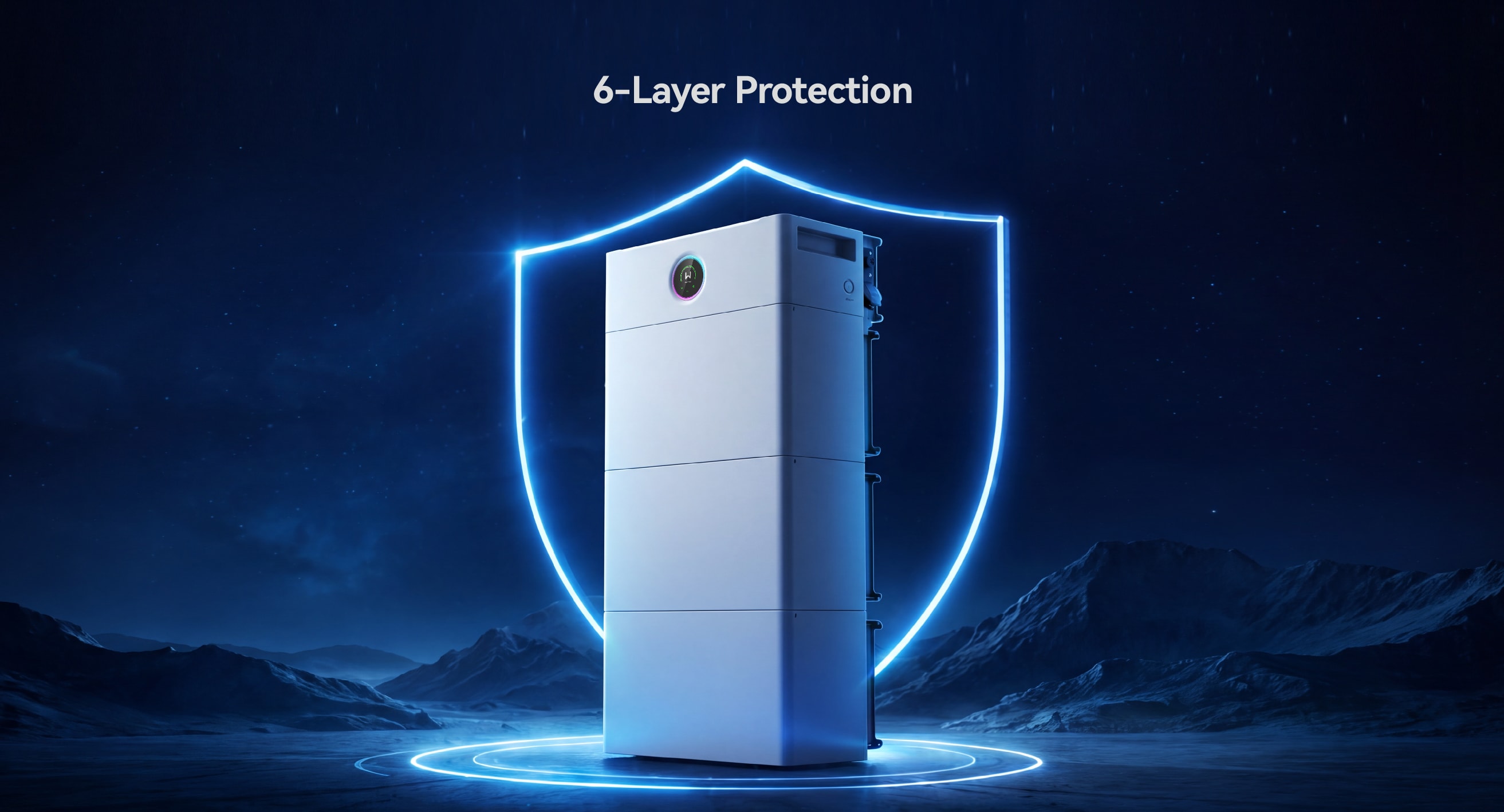
<60V Touch-safe Security
-

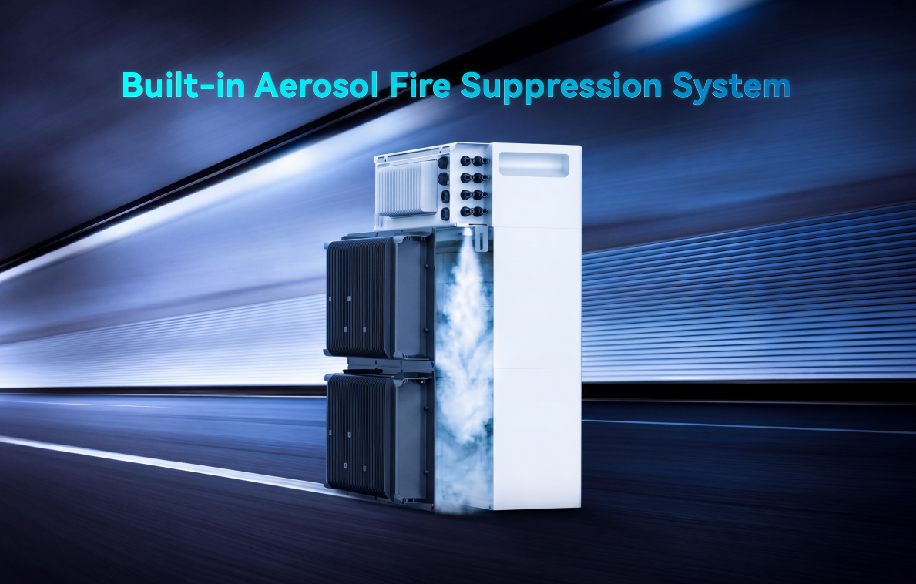
Integrated Aerosol Fire Suppression System
-
Discover More


-
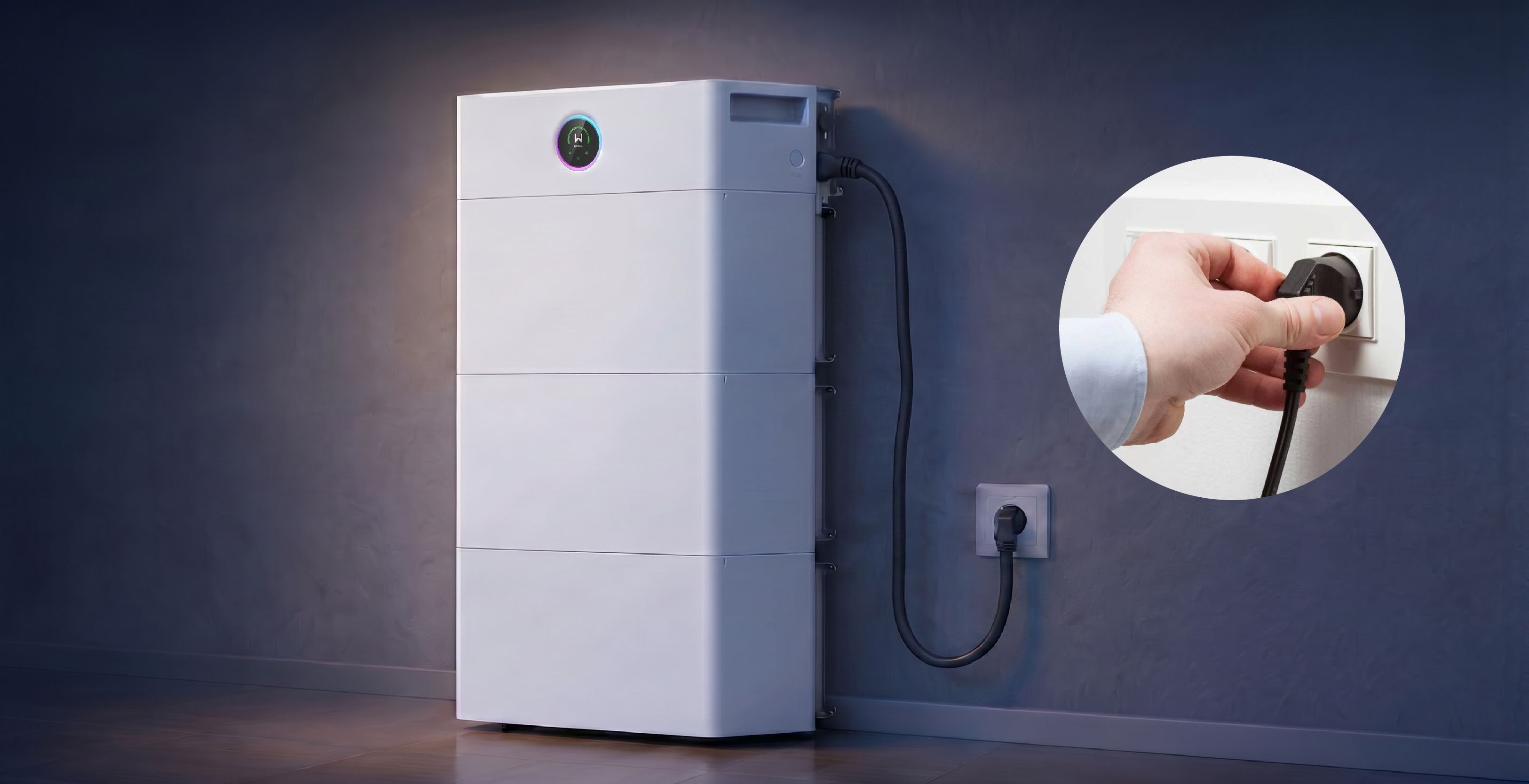
Plug-and-Play Mode
Direct socket connection, for rentals, small spaces & emergency backup.
-
Hardwired Mode
Distribution panel connection, for villas, whole-home backup & solar integration.
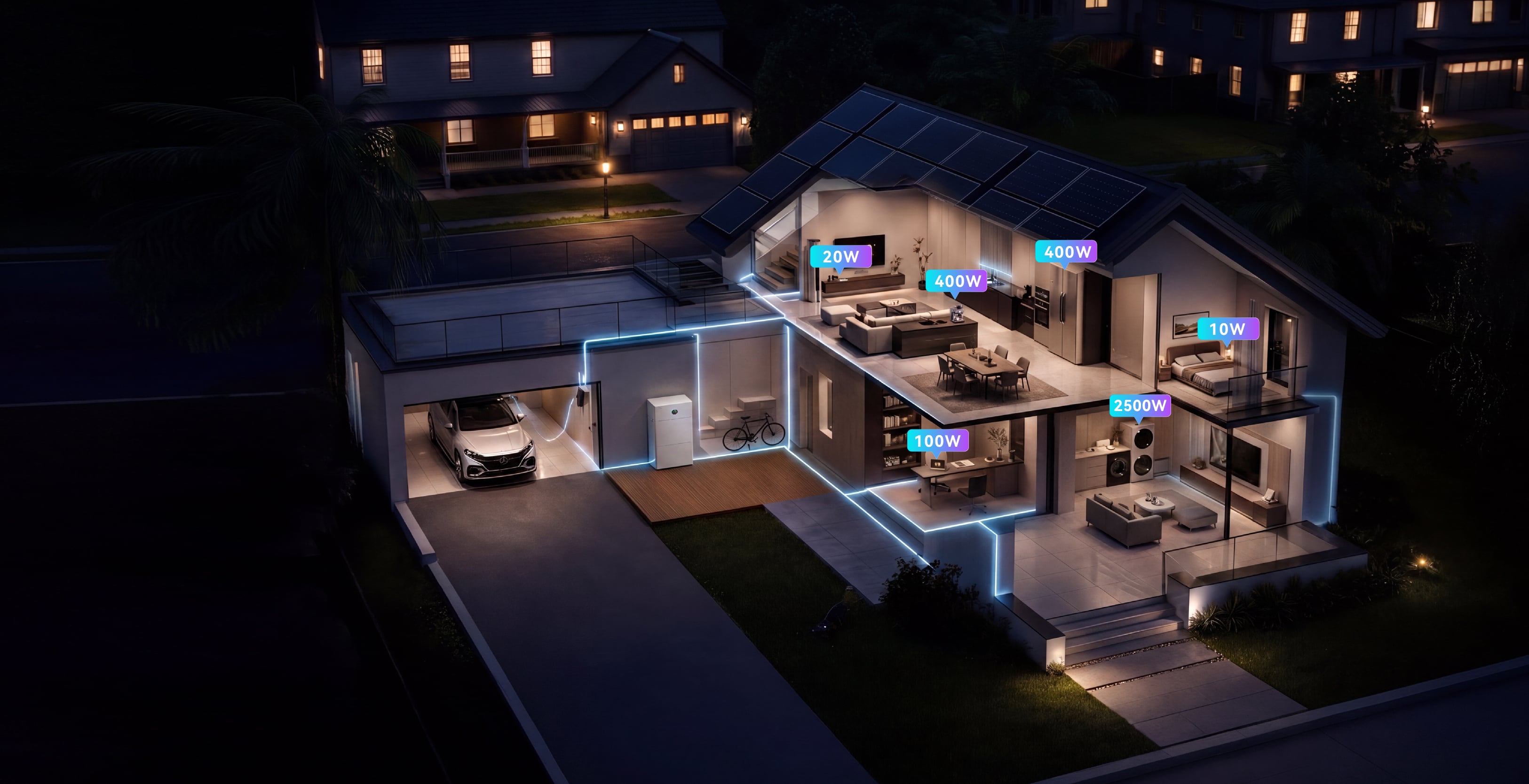
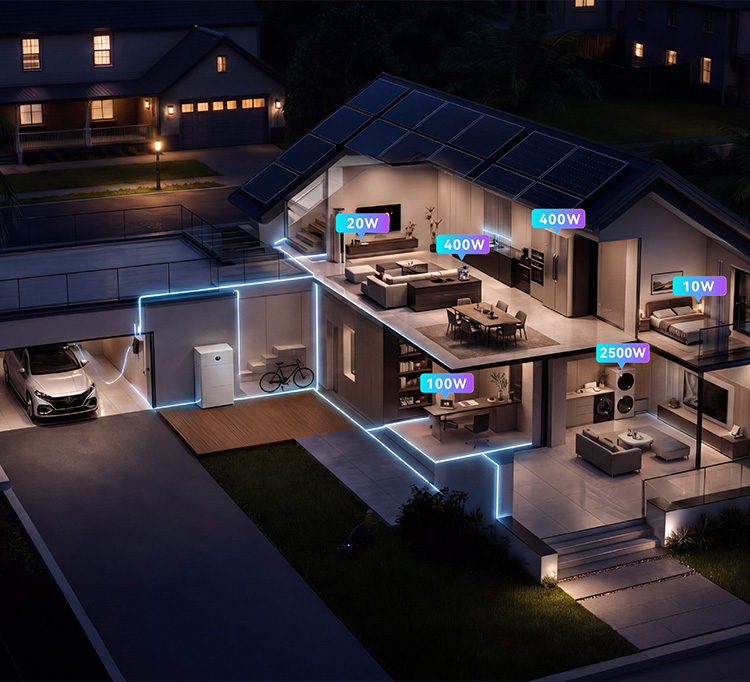
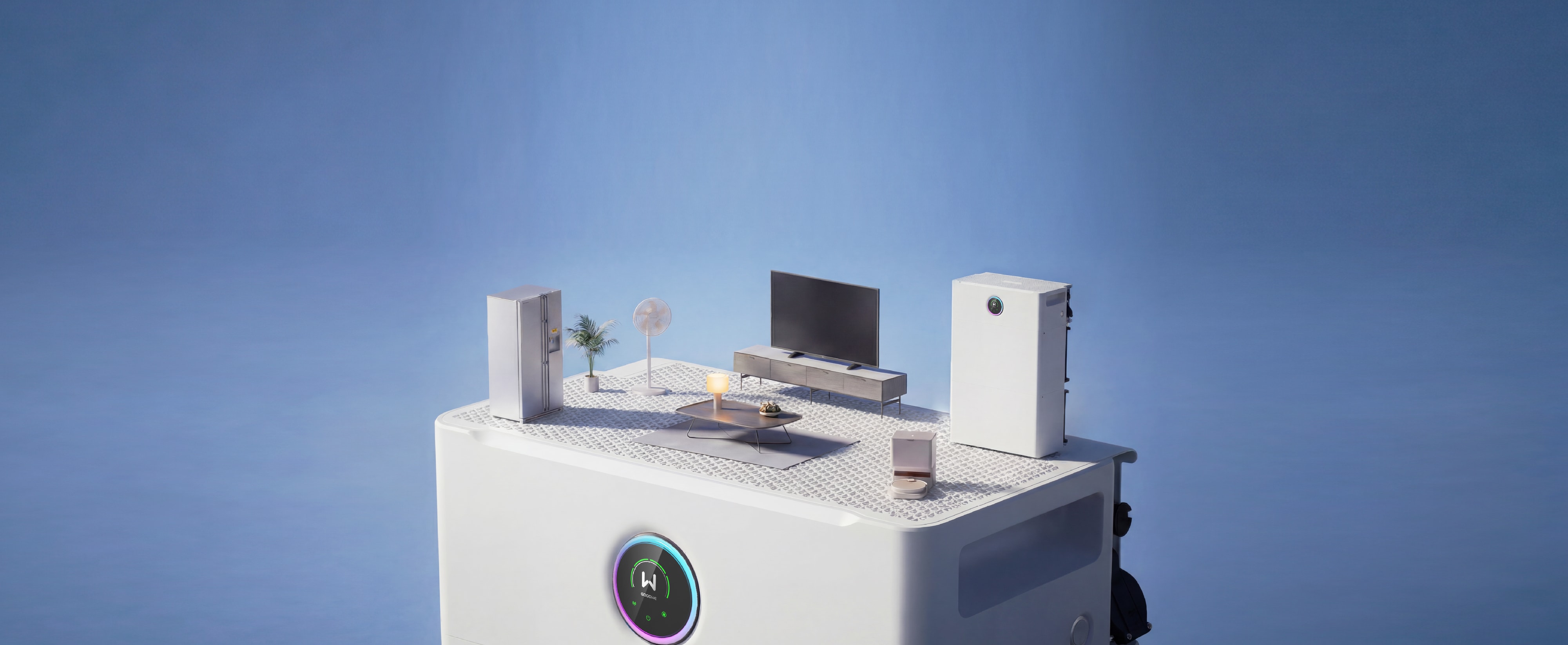
3000W Bi-directional AC Output
*Hardwired / off-grid modes support up to 3000W of continuous household loads. Flexibly adjustable configurations cater to all typical daily power demands.
All‑Scenario Energy Solution
Suitable for living spaces, utility rooms, garages and basements for daily household use. Delivers dependable power for outdoor leisure, mobile work and emergency backup scenarios.
* Follow local regulations on BESS installation locations
-

 Balcony
 -
 Garden
 -
 Apartment
 -
 Terrace
 -
 Basement

How Long Will ESA Athena Keep You Online?
Tailor Your System to Discover How Long You’ll Stay Powered.
1. System & Capacity
2. Add Appliances
3. Your Setup
Based on max power draw. Lower usage = longer life.
Selected Items (0)

Calculations are estimates for informational purposes only. Actual available energy may vary depending on environmental conditions (e.g., temperature), battery age, and charge/discharge rates. Power outputs may derate based on temperature and State of Charge (SOC).
Note on Inverter Limits: Appliances with electric motors (like refrigerators, portable ACs, or power tools) require a "surge" of power to start up that can be 2-3 times their listed running wattage. Even if your total listed wattage is below the inverter limit, starting these devices simultaneously may trigger the inverter's overload protection.
Technical Specifications


-

Download
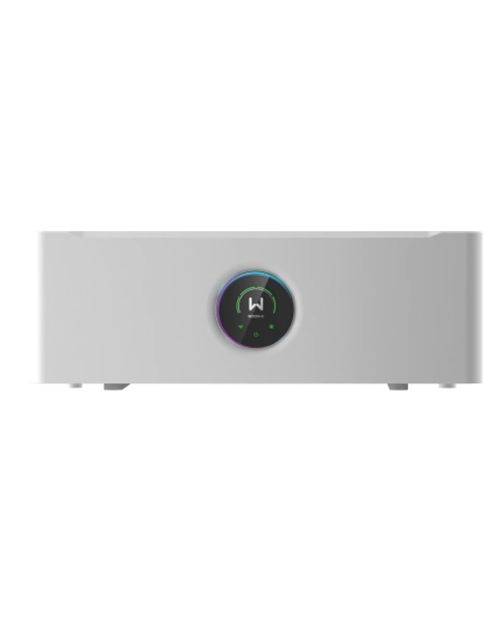
GW3K-EMA-G10
Max. PV Input Power
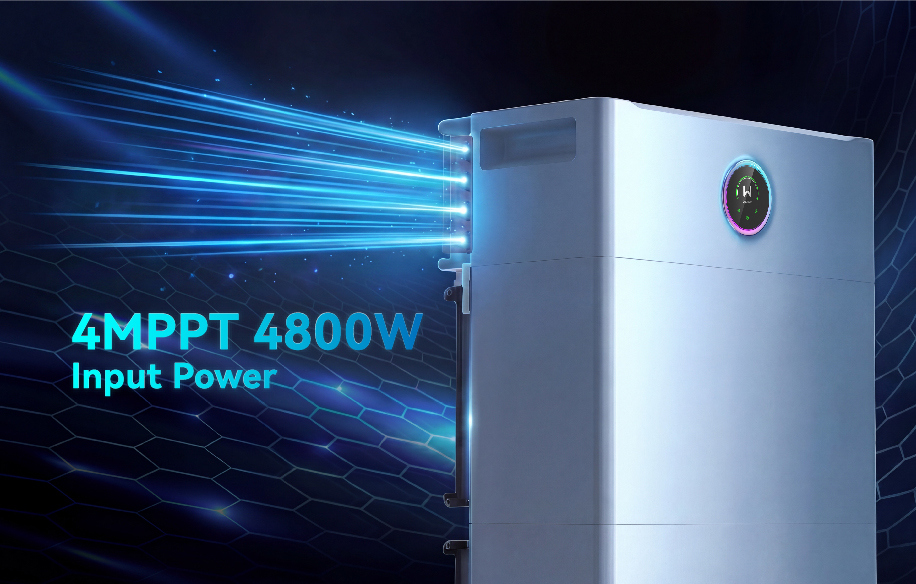
4800W
Number of MPPT Trackers
4
Operating Voltage Range
52~56V
Max.MPPT Current
36/36/36/36A
Battery Type
LFP(LiFePO4)
Maximum AC Charging Power
3000W
Max. Input Voltage
60V
Noise Emission (dB)
≤20
Connectivity
LAN, RS485, WiFi, Bluetooth
Protection Rating
IP65
Operating Temperature Range
-20℃~55℃
Dimensions(W×H×D)
480x290x170 mm
Weight
15 kg
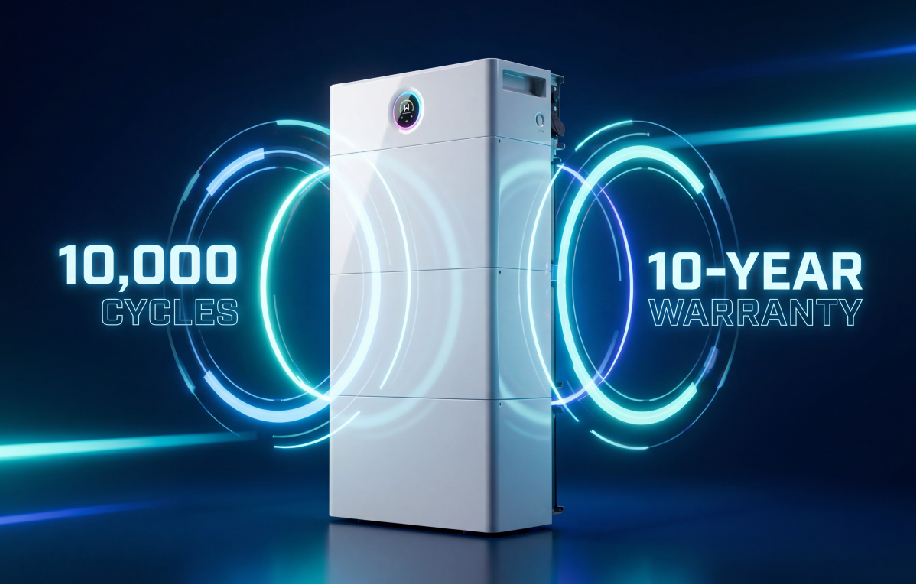
Product Warranty
10 Years
-
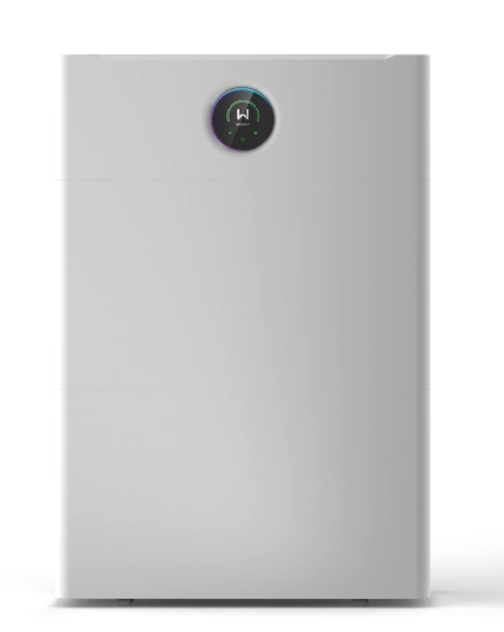
GW3.0-BAT-LVD-G10
Max. PV Input Power
1.7 kW
Rated Energy
3kWh
Operating Voltage Range
8.61~10.83V
Scalability
5 pcs
Battery Type
LFP (LiFePO4)
Noise Emission
≤20dB
Cycle Life
10000
Protection Rating
IP65
Operating Temperature Range
-20℃~55℃
Dimensions(W×H×D)
480×308.6×260mm
Net Weight
29kg
Product Warranty
10 Years



What's in the Box


FAQ
-
How can the Athena S3 operate safely in freezing outdoor temperatures?
Lithium-ion batteries typically suffer from a severe phenomenon called "lithium plating" if charged below freezing, which causes permanent capacity loss. To completely eliminate this winter capacity drop-off, each GoodWe Athena battery module is equipped with an integrated esistance heating film and precise NTC temperature sensors. When the system detects sub-zero temperatures (down to -20°C), the Battery Management System (BMS) uses a closed-loop feedback loop to warm the internal cells up to their optimal operational range before initiating charging cycles.
-
What is the difference in output capability between the Athena Original (1500W) and the Athena S3 (3000W)?
The primary difference is the maximum continuous power output available from the off-grid backup port. The Athena Original is structurally limited to 1500W, making it ideal for essential loads like lighting, routers, and smaller electronics. The Athena S3 features a 3000W capacity, allowing it to handle more demanding household appliances, such as larger refrigerators, multiple fans, or heavier kitchen equipment, with a significantly reduced risk of triggering overload protection.
-
Why does my Athena system shut down when I connect a device that is under the wattage limit?
This is typically caused by surge power (also known as starting wattage). Many appliances, particularly those with motors or compressors (e.g., refrigerators, water pumps, air conditioners), require a massive, instantaneous burst of energy to start. This startup surge can be 4 to 7 times higher than the device's listed running wattage. Even if the device's continuous running power is within your system's limit, that initial surge can breach the 1500W or 3000W threshold, triggering the inverter's safety shutdown to prevent hardware damage.
-
How can I safely connect an appliance if I am not sure about its surge power requirements?
We recommend using a "staggered start" strategy. If you must use multiple motor-driven appliances, do not turn them on simultaneously. Start the most critical device first and allow it to settle into its steady-state running power before turning on the next device. If the system still shuts down, the combined surge requirement of those devices likely exceeds your specific model's inverter threshold, and you should disconnect one of the appliances.
-
Does the "1500W" or "3000W" limit apply to everything I plug into the system at once?
Yes. The limit applies to the total combined power currently being pulled from the off-grid backup port. This includes the steady running wattage of all active devices plus the instantaneous surge power of any device currently attempting to start. To avoid system shutdowns, ensure that the sum of all running loads and the peak startup surge of the largest device remains below your Athena model’s maximum output capacity.
-
Is the maximum power output always the same, or does it change based on conditions?
The maximum output is a structural hardware limit, but it can be affected by operational conditions. Under extreme environmental temperatures (very high heat) or when the battery's State of Charge (SOC) is critically low, the system may implement "power derating"—a safety feature where the inverter proactively reduces its maximum output capacity to protect the battery and internal components.
-
Can I use a "surge protector" power strip to prevent my Athena from shutting down?
No. A standard consumer "surge protector" power strip is designed to defend your electronics against dangerous voltage spikes coming from the power grid. It cannot limit or "smooth out" the high-wattage startup demand required by your appliances. If an appliance's surge power exceeds the Athena’s output limit, a power strip will not prevent the Athena’s internal overload protection from activating.
-
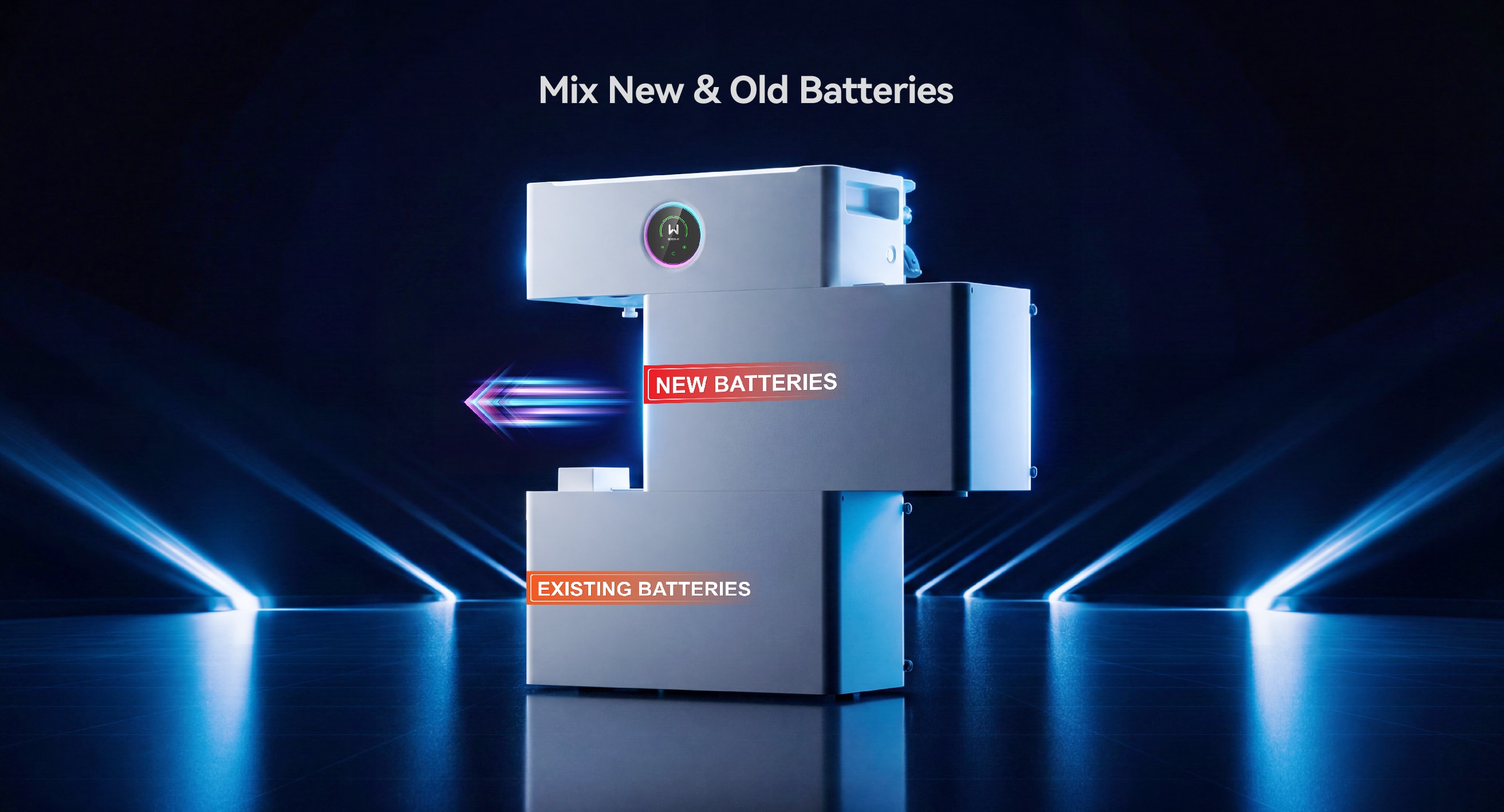
What exactly is the "Mix & Match" battery feature, and how does it prevent capacity bottlenecks?
In standard battery stacking systems, combining older batteries with a brand-new module creates a "weakest link" problem: the older, degraded cells dictate the system's performance, dragging down the efficiency of the new module. The Athena S3 features an advanced power electronics architecture with module-level DC-DC integration. This decouples each battery module electrically. The system independently regulates the voltage and current of each pack, drawing maximum energy from new modules while safely cycling older ones according to their specific State of Health (SOH).
-
Can I mix third-party battery packs with the Athena S3 system?
No. To maintain system integrity, strict safety protocols, and full warranty coverage, the "Mix & Match" capability applies exclusively to official GoodWe Athena battery modules. You can freely mix GoodWe Athena modules of different ages, usage cycles, and degradation states, but third-party battery chemistries cannot be integrated into the stack.
-
What is the maximum storage capacity I can expand to over time?
A single Athena S3 tower base supports a modular stacking framework from 1 to a maximum of 5 battery modules. Each individual battery pack has a rated energy capacity of 3 kWh (utilizing safe 314Ah Lithium Iron Phosphate/LFP chemistry). This gives the system a physical expansion path starting at 3 kWh up to a hard ceiling of 15 kWh per system stack.
-
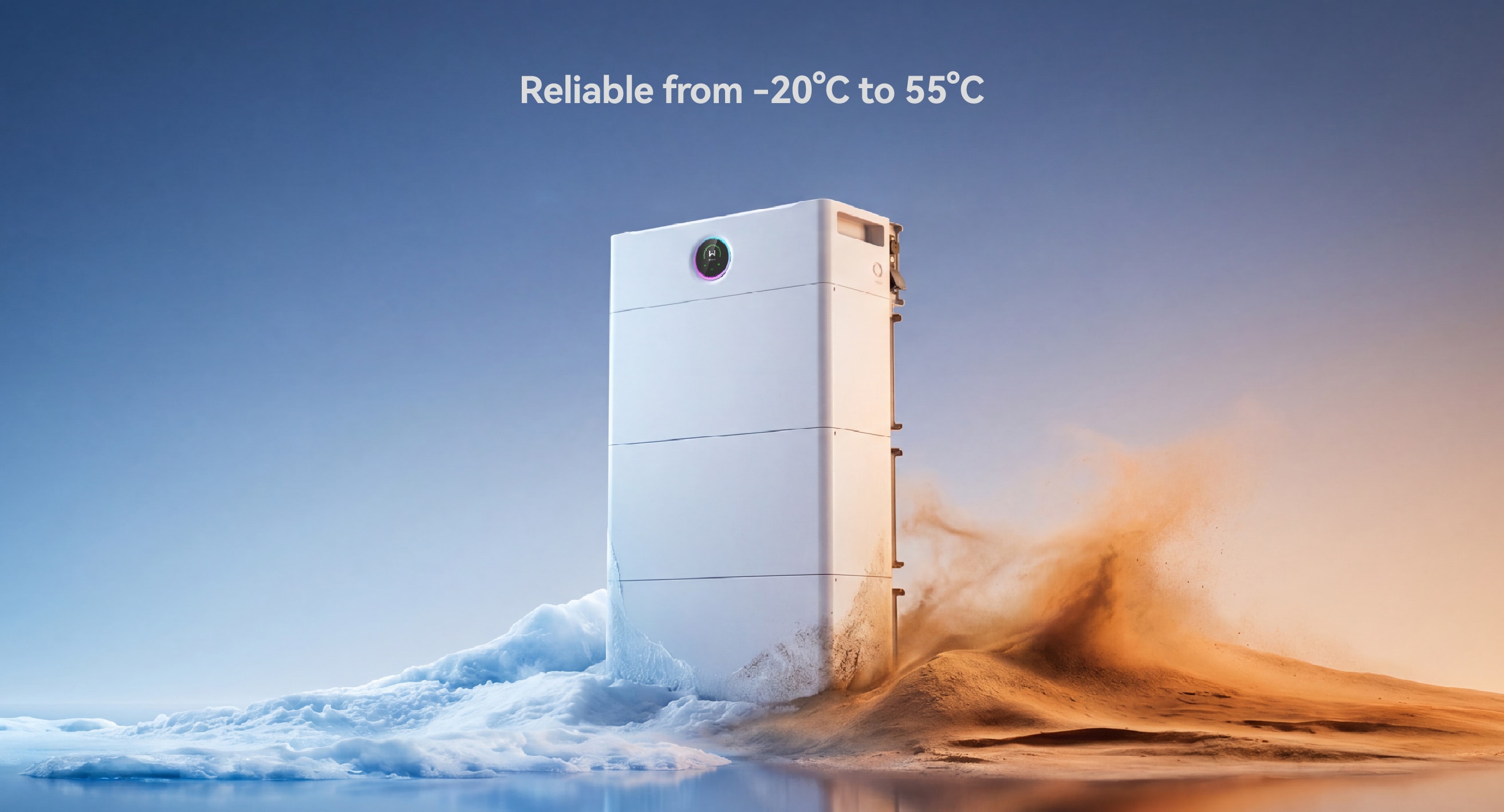
What is the exact operating temperature range for the Athena S3?
The system is engineered for true all-weather resilience, featuring a certified operating window spanning from -20°C up to 55°C for both charging and discharging cycles. This makes the unit fully viable for outdoor placement on exposed balconies and terraces across varying European climate seasons.
-
How quiet is the Athena S3 during full charge and discharge cycles?
The Athena S3 generates a maximum noise emission of ≤20 decibels (dB) under nominal operation—a sound level equivalent to a quiet whisper or rustling leaves. This is achieved by abandoning traditional mechanical cooling fans in favor of a fanless cooling architecture that uses high-conductivity thermal materials to dissipate heat passively through natural convection. This guarantees zero noise disputes in dense, urban apartment complexes.
-
What is the backup switch time during a sudden power grid failure?
The Athena S3 achieves an ultra-fast off-grid transition time of less than 10 milliseconds (<10ms). Because standard desktop computers, routers, and NAS home servers utilize power supplies designed to ride out a maximum power interruption of 16 milliseconds (the ATX hold-up time standard), the Athena’s <10ms switch occurs before your home appliances can detect the fault. This provides seamless, uninterrupted power backup without causing device reboots.
-
What appliances can I run using the off-grid backup mode?
The system delivers up to 3000W of continuous bidirectional AC power in off-grid backup mode. This capability is engineered to comfortably sustain essential household infrastructure during an anomaly, such as your refrigerator, home networking equipment (modems/routers), lighting arrays, laptop workstations, and standard mobile charging stations.
-
How does the AI Cloud EMS help lower my monthly electricity bills?
The integrated AI Cloud Energy Management System (EMS) connects the Athena S3 to regional dynamic electricity tariffs. The software continuously analyzes your household’s daily energy consumption patterns alongside volatile spot-market power prices. It automates your energy loop by instructing the battery to charge directly from the grid when power prices are lowest (or negative) and discharging that stored power into your home when grid prices peak, driving maximum economic return with zero manual effort.
-
What built-in fire safety measures are integrated into the product?
The Athena S3 utilizes an ultra-safe, stable Lithium Iron Phosphate (LFP) chemical core operating under a touch-safe low voltage (<60V DC) baseline. Beyond standard software protections, each module features a built-in, industrial-grade aerosol fire suppression device. In the highly unlikely event of a critical thermal threshold breach inside a module, the aerosol activates automatically, releasing a dry, potassium-radical gas that interrupts the chemical chain reaction of combustion on contact, containing the event entirely at the enclosure level without depleting surrounding room oxygen.
-
What is the GoodWe Athena S3, and who is it designed for?
The Athena S3 Series is an all-in-one micro-energy storage system (0.8–3 kW inverter power, 3–15 kWh storage capacity) specifically engineered for urban residential scenarios with limited space, such as apartments, balconies, and terraces. It is ideal for households without access to a large rooftop solar array, as well as homeowners wanting to retrofit a battery storage system onto an existing third-party photovoltaic (PV) system without replacing their current inverter hardware.
-
How does the AC-coupled installation work for households with existing solar?
The Athena S3 utilizes an AC-coupled topology, meaning it operates in parallel with your existing solar system. The unit connects directly to your standard household AC distribution network (such as a standard plug or dedicated AC line). By integrating an approved European smart meter (such as a Shelly/Everhome/Eastron meter), the system dynamically monitors your household's real-time consumption and grid export, automatically routing excess solar electricity into the battery instead of letting it feed back to the grid.
-
Do I need a professional electrician to install the Athena S3 system?
The Athena S3 supports a flexible dual-mode deployment strategy. For basic setups, its lightweight construction (<31 kg per module) and modular plug-and-play architecture allow for quick, tool-free installation for 800W AC output. However, depending on local national grid regulations (e.g., VDE rules in Germany) or if you are integrating the unit into a critical home backup panel, a certified professional electrician may be required to sign off on the AC grid connection, this way you could choose to select 3000W AC output.
-
Does the system comply with the European 800W plug-and-play grid injection limits?
Yes. The Athena S3 series includes model configurations optimized specifically to meet regional European standards for micro-generation. The system's output can be strictly governed via its energy management software to ensure that grid injection remains strictly within local regulatory limits, while still allowing the battery to charge at its full capacity from your solar panels.
Load moreMore loaded
Blogs & News
-

Event
Demystifying Surge Power: How to Safely Manage Home Appliances with Your GoodWe Athena SystemJuly 14, 2026
-
Event
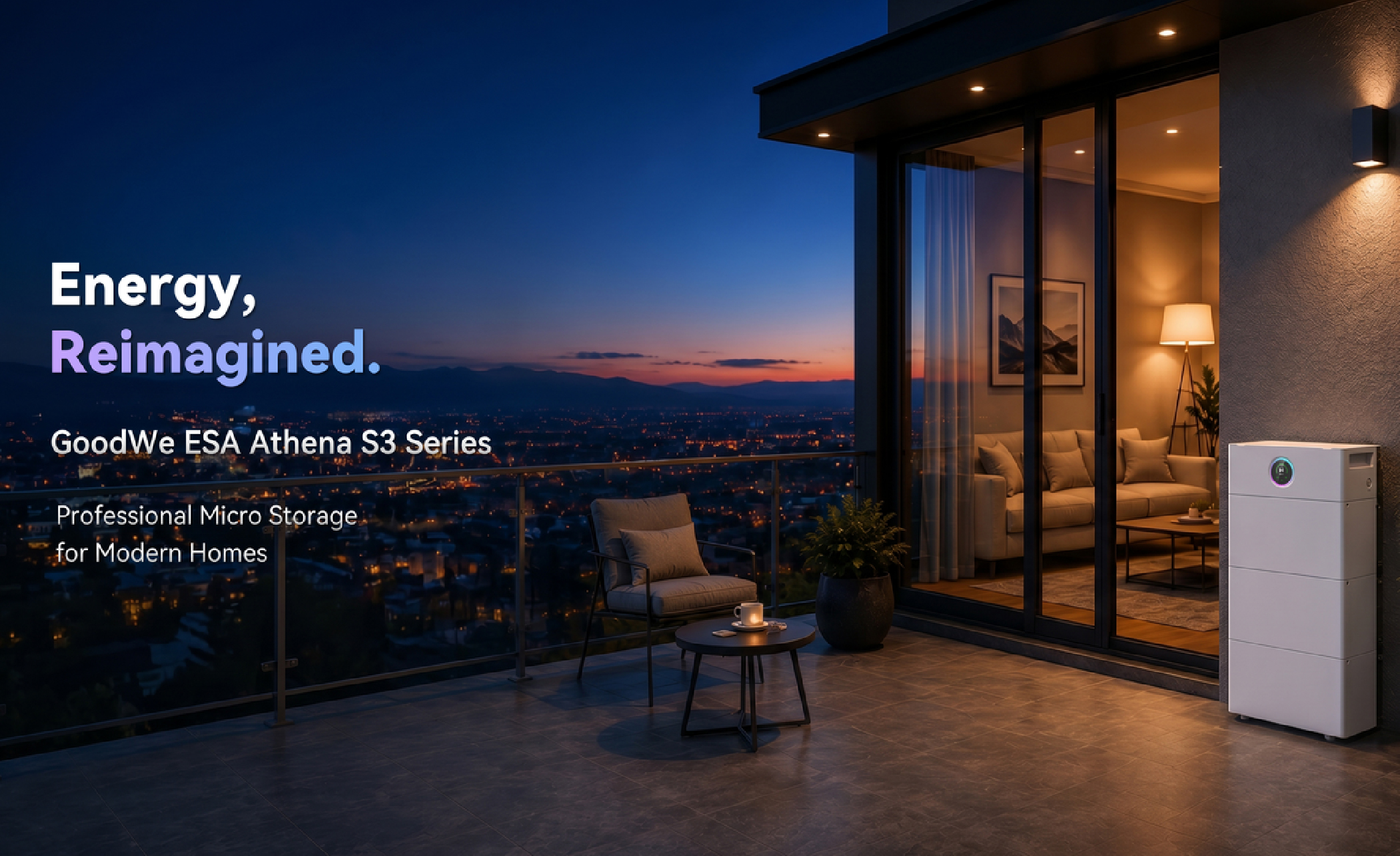
GoodWe PVBM Unveils ESA Athena S3 Series at Intersolar Europe 2026: Reimagining Professional Micro-Storage with Advanced "4S" Design PhilosophyJune 26, 2026
-
Blog
Engineering Urban Energy: Why the Future of Micro-Storage is Silent, Scalable, and Fully IntegratedJune 26, 2026


