














Demystifying Surge Power: How to Safely Manage Home Appliances with Your GoodWe Athena System
July 14, 2026


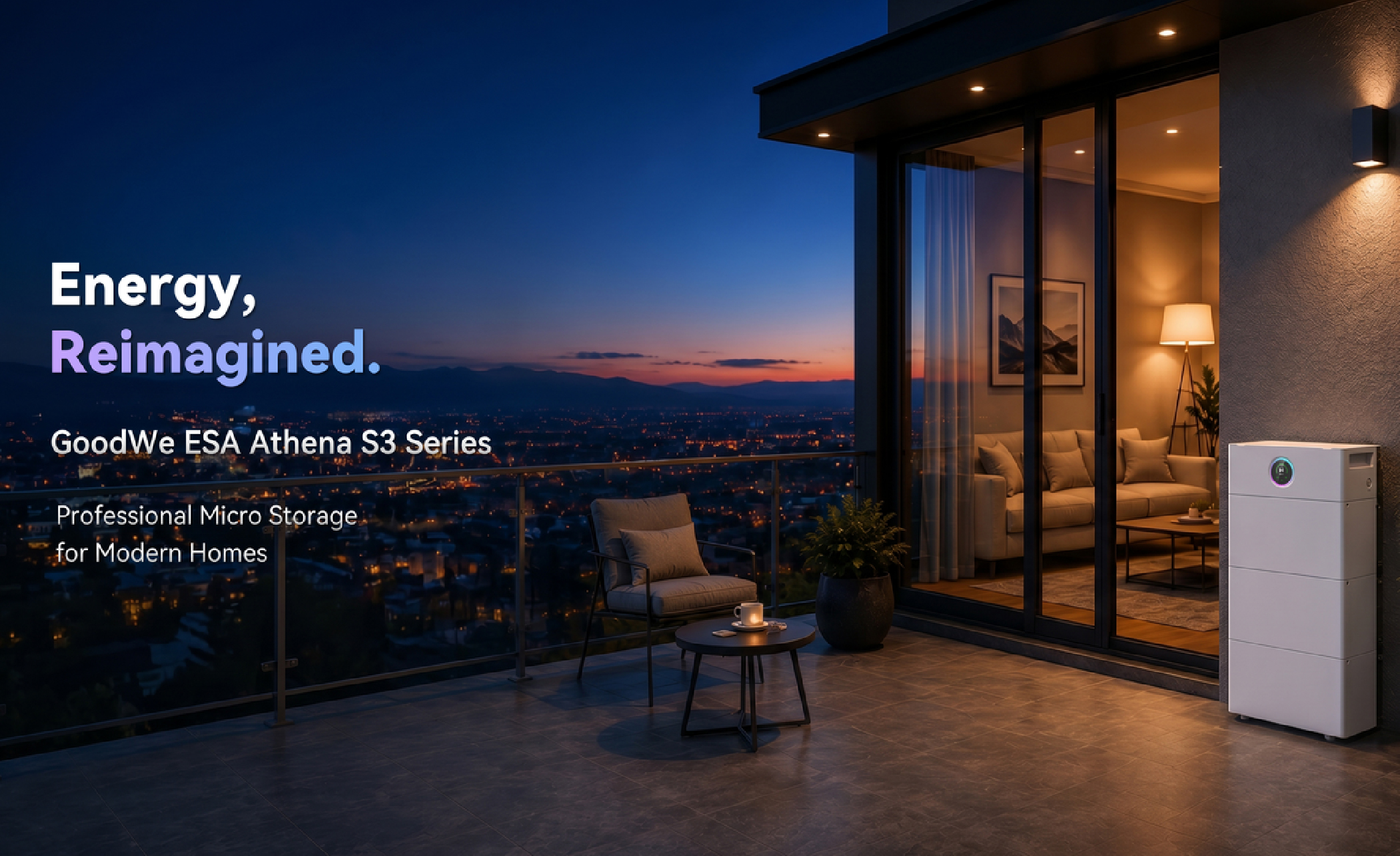
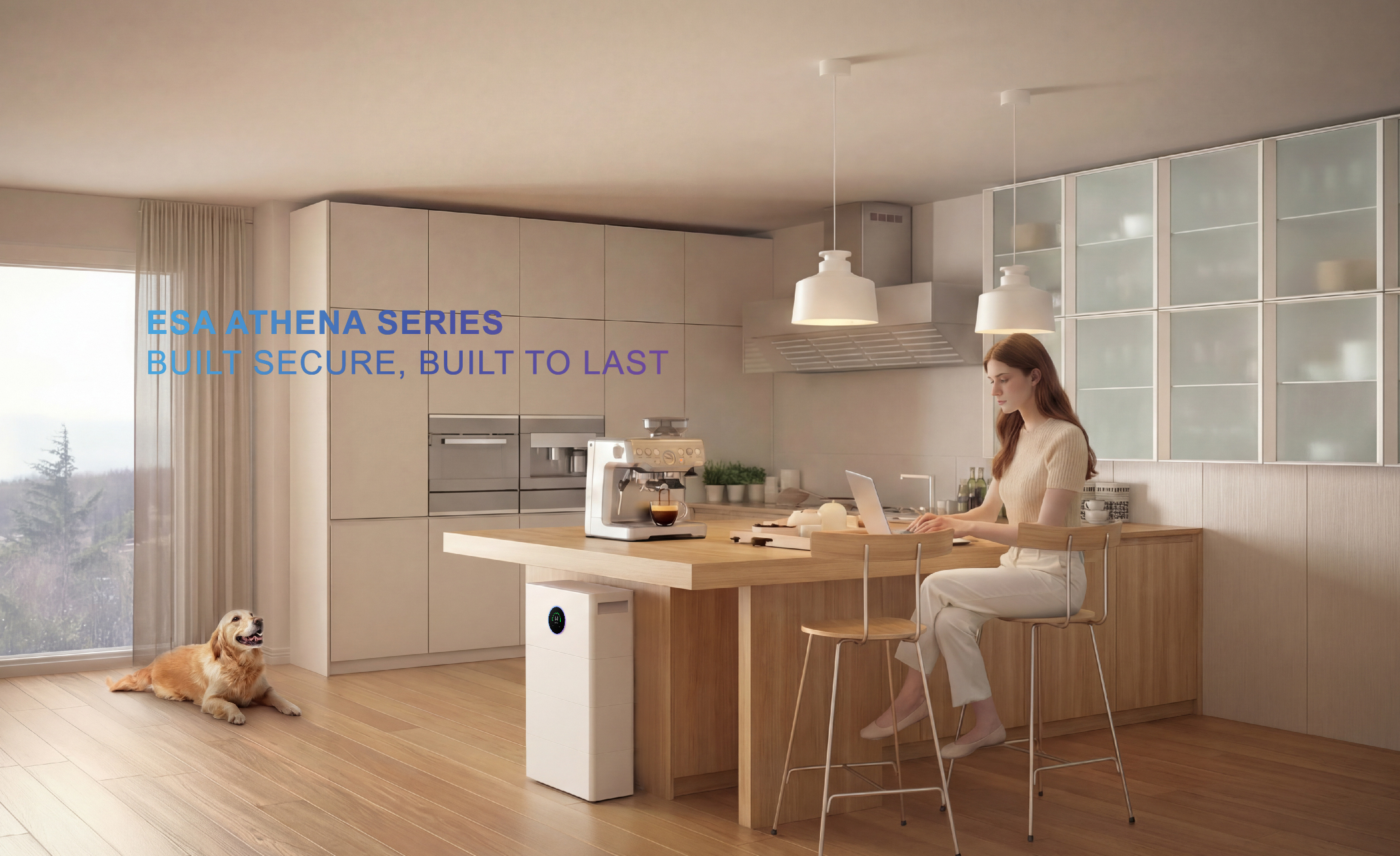
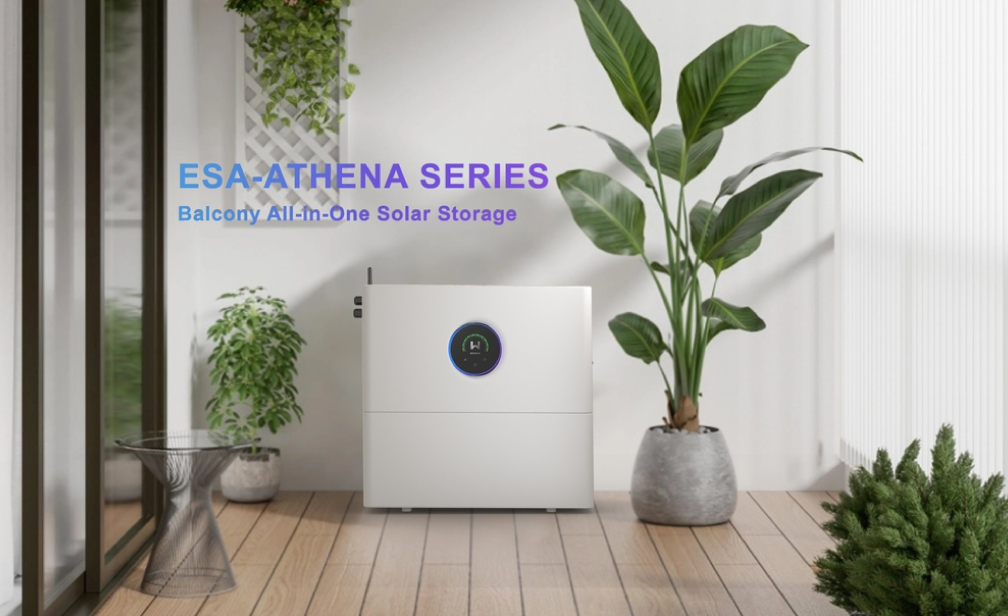
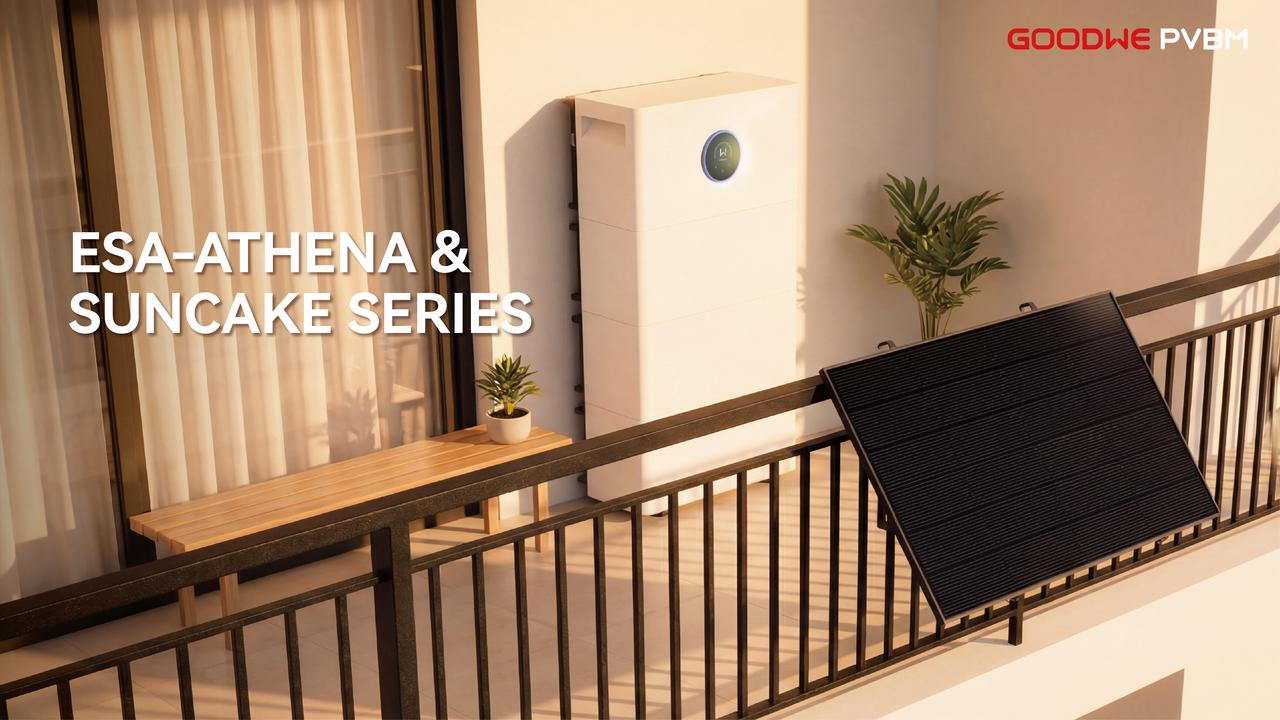
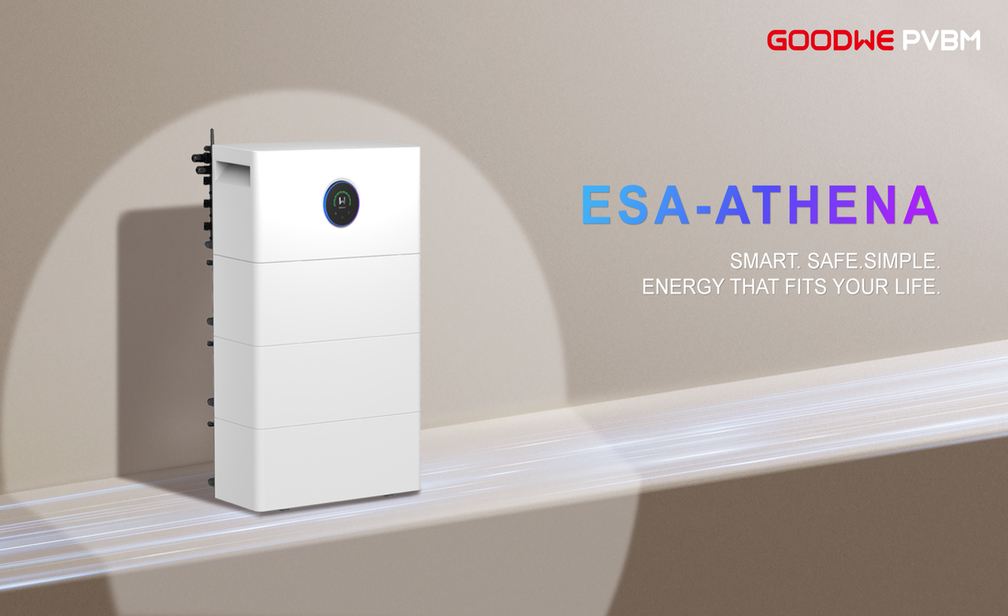
The GoodWe Athena system is designed to store affordable electricity, seamlessly integrate with your solar panels, and keep your home running during power outages. Thanks to its built-in off-grid backup port, it provides essential peace of mind when the grid goes down.
However, users occasionally experience unexpected system shutdowns when plugging in certain household appliances. In almost all cases, this is not a malfunction—it is a built-in safety mechanism reacting to surge power. This guide explains what surge power is, how it affects your Athena system, and how to confidently manage your household loads during a blackout.
What is Surge Power?
Not all electrical devices consume power consistently. While a lightbulb uses a steady stream of electricity, appliances with electric motors or compressors (like refrigerators, portable air conditioners, or power tools) require a massive initial burst of energy just to start moving.
This temporary spike is known as "surge power" or "starting wattage". This startup surge can be two to five times higher than the appliance's listed running wattage. Once the motor is running, power consumption drops back down to the normal rated level.
To safely manage your home appliances off-grid, it is essential to understand the difference between these two power ratings:
Running Power (Rated Wattage): This is the continuous, steady amount of electricity an appliance needs to operate normally once fully turned on. When you check the energy label on the back of a TV or a fan, the number listed (e.g., 100W or 60W) is typically the running power.
Surge Power (Starting Wattage): This is the sudden, intense spike of electricity required to jump-start an appliance containing an electric motor or a compressor. This phase only lasts for a fraction of a second, but it demands significantly more energy than normal operation.
"Surge Power" vs. "Power Surge"
Because the vocabulary is nearly identical, it is incredibly common for people to mix up these two terms. Functionally, however, they represent completely opposite electrical events.
The simplest way to remember the difference is this: one is a normal request originating from your appliance, while the other is a dangerous hazard attacking your appliance.
The Normal Demand (Surge Power): Often labeled as "starting wattage," this is the healthy, temporary spike in energy that your appliance requests to wake up its internal motor. When your 200W fridge momentarily demands 800W to get its compressor spinning, that is surge power in action. Your Athena system is specifically engineered to supply this temporary boost, provided the total demand respects the system's maximum capacity.
The External Hazard (Power Surge): Also known as a voltage spike, this is a chaotic and unwanted blast of high-voltage electricity invading your home from the outside utility grid. Triggered by severe weather, lightning strikes, or damaged utility lines, these violent surges can permanently destroy delicate electronics. This is the exact reason consumers buy specialized "surge protector" power strips to defend their expensive computers and televisions.
The Bicyclist & System Limits
Your GoodWe Athena microstorage system features a rigid power ceiling on its off-grid port: a maximum of 1500W for the Athena S2 model, and 3000W for the Athena S3. To understand why certain appliances might unexpectedly trip this limit, picture a cyclist stopped at a red light.
When the light turns green, the rider has to stand up and push down on the pedals with immense physical effort just to get the heavy bicycle moving. But once they reach a steady cruising speed, maintaining that pace requires a very light, easy pedaling rhythm.
This same physical principle applies to appliances containing internal motors or compressors. Take a standard household refrigerator, for example. Its energy label might indicate a continuous running power of just 200W—which seems incredibly safe for your Athena system. However, that 200W is merely the "cruising speed." When the fridge’s compressor first engages, it acts like the cyclist at the red light, demanding an initial energy burst that is 4 to 7 times its normal rate. In a fraction of a second, that 200W fridge is suddenly pulling anywhere from 800W to 1400W.
Even if the combined "cruising" wattage of your plugged-in devices is far below your Athena's limit, the danger lies in simultaneous startups. If multiple high-surge devices try to start at the exact same moment, their combined energy spikes will instantly crash into the 1500W (or 3000W) ceiling. When this happens, the Athena’s internal overload protection acts exactly as designed: it immediately cuts the power to protect the inverter from hardware damage.
The Hidden Startup Spike
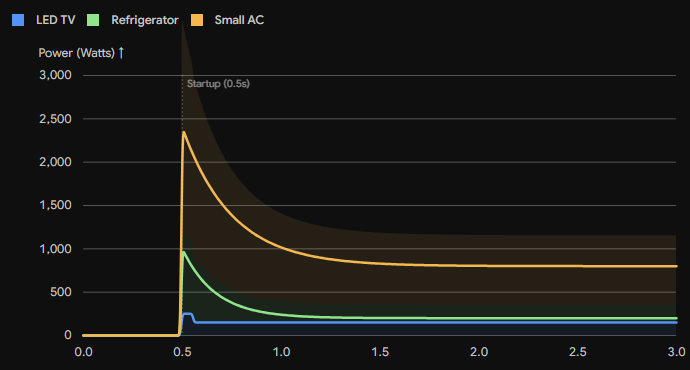
The chart illustrates the hidden reality of powering household appliances. While a simple electronic device like an LED TV draws a constant, flat amount of power, motor-driven appliances behave very differently.
When a refrigerator or air conditioner first clicks on, its motor is completely stationary. To overcome this inertia, it requires a massive, instantaneous burst of energy—often referred to as "Locked Rotor Amps"—just to start moving. This is represented by the sharp vertical spike on the graph. As the internal motor spins up to its normal operating speed, the power demand exponentially decays back down to the lower, continuous running wattage.
How to Calculate Your True Load
When evaluating the Athena's ability to power your household appliances during an outage, the most critical metric is the inverter capacity.
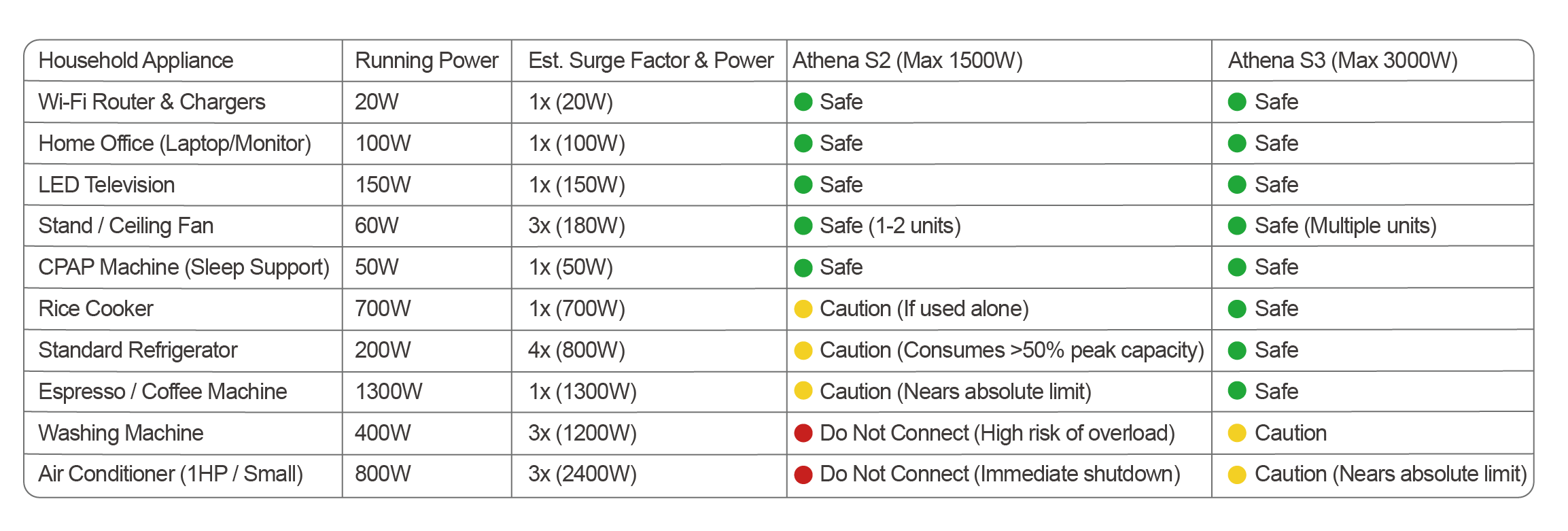
To ensure your system runs smoothly during an outage, you cannot simply add up the normal running wattages printed on your appliance labels. You must account for the surge factor.
The Calculation Formula:
Estimated Surge Power = Rated Power (Label) × Surge Factor
Note: The total Estimated Surge Power of all connected devices must remain strictly under 1500W.
Choosing the Right Athena System
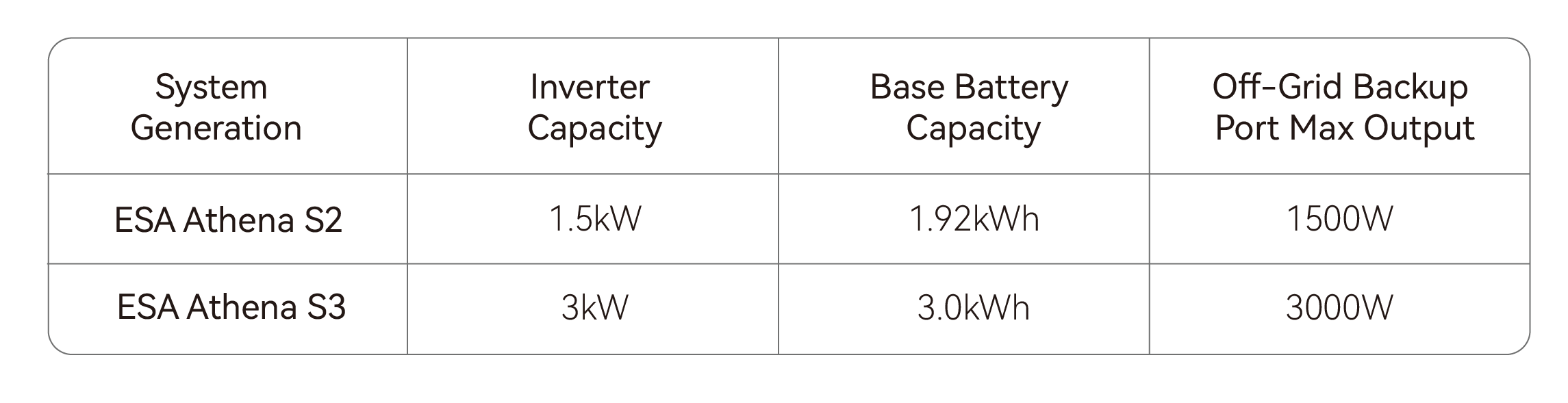
Selecting the best GoodWe Athena system comes down to understanding your backup power needs, especially when factoring in surge power. We offer two main system generations:
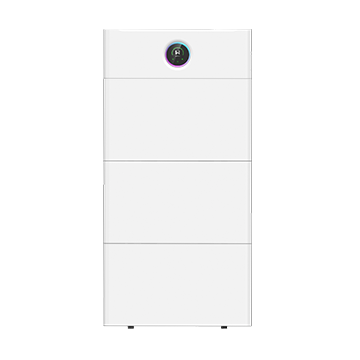
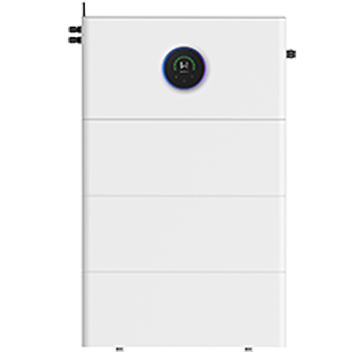
ESA Athena S2: Features a 1.5kW inverter and a 1.92kWh base battery capacity. Its off-grid backup port provides a strict maximum output of 1500W. This model is highly efficient and perfect for homes prioritizing basic backup essentials. It can comfortably run "Green Zone" devices (Wi-Fi routers, LED lights, TVs) and a limited number of "Yellow Zone" appliances if not started simultaneously.
Regional Context (German Market): If your goal with a balcony solar "Notstrom" (backup power) setup is to keep your internet running, charge laptops, power a CPAP machine overnight, and run a small TV, the Original is perfectly adequate.
ESA Athena S3: This upgraded system is equipped with a more powerful 3kW inverter and a larger 3.0kWh base battery capacity. With double the off-grid inverter capacity, the S3 model is better suited for households that need to run more demanding appliance combinations or larger devices (like standard refrigerators or espresso machines) without risking overload protection.
How to Decide:
Before choosing, list the exact appliances you must have running during a blackout. Use the surge calculation formula to estimate the total peak power if those essential devices were to start up together.
Best Practices for Blackouts
Prioritize Essentials: During a power failure, restrict your backup usage to critical loads like communication devices, essential lighting, and fans.
Stagger Device Starts: Never plug in or turn on multiple motor-driven appliances (like a fridge and a washing machine) at the exact same time. Let one start and settle into its normal running wattage before turning on the next.
Read the Label: Always check the data plate on the back of your appliances to confirm their rated wattage before connecting them.
By understanding surge power and respecting system limits, you can ensure your GoodWe Athena provides reliable, uninterrupted backup power exactly when you need it most.
*Technical Disclaimer:
Estimates for Informational Purposes: The power curves, surge values, and appliance wattages depicted are general estimates provided strictly for educational purposes. Actual power consumption, surge durations, and startup profiles will vary depending on your specific appliance's brand, age, efficiency rating, and operating environment.
Related News
-

![20260626-140723.jpg]()
Blog
Engineering Urban Energy: Why the Future of Micro-Storage is Silent, Scalable, and Fully IntegratedJune 2026
-
![20260429-174657.jpeg]()
Blog
Beyond the Spec Sheet: Climate-Proofing Micro Storage and the Psychology of Uninterrupted PowerApril 2026
-
![20260407-145336.jpeg]()
Blog
Engineering Micro Storage: How DC-DC Optimization and Aerosol Suppression Redefine System LifecyclesApril 2026
-
![首图.PNG]()
Blogs
Why Spring is the Perfect Time for Solar and Energy StorageMarch 2026
-
![1280X1280.png]()
News
ESA-Athena: Simple & Efficient Balcony Solar StorageOctober 2025