















GoodWe Polaris: How Laminated Safety Glass (VSG) Enhances Architectural Design and Safety
February 24, 2026


For architects and engineers, selecting materials for BIPV (Building-Integrated Photovoltaics) is a test of responsibility. Choosing the right materials can enhance the green building’s value, while choosing the wrong ones could lead to legal liabilities and harm the project's reputation.
GoodWe have met the DIN 18008 standards for Laminated Safety Glass (VSG), which has effectively removed the safety and liability barriers that often stall BIPV projects.
Before we dive deeper into this, it's important to first clarify some technical terms.
What is Laminated Safety Glass (VSG) and why is it important in architectural design?
VSG is the German abbreviation for 'Verbund-Sicherheitsglas,' which translates to 'Laminated Safety Glass.' Laminated Safety Glass (VSG) is a specialized type of glass that consists of two or more layers of glass bonded together with a highly tear-resistant polyvinyl butyral (PVB) interlayer. This advanced lamination process makes VSG significantly safer and more durable than traditional single-pane safety glass. It is commonly used in applications such as overhead glazing, façades, balustrades, and other areas where both structural integrity and safety are crucial.
Another important question to consider: How does VSG contribute to safety in building design?
VSG offers both active and passive safety features:
Active Safety: Even under significant stress or load, VSG maintains stability and structural integrity, meaning it can support its own weight or other defined loads over extended periods. This reduces the likelihood of sudden failure or collapse.
Passive Safety: If the glass breaks due to impact or thermal shock, the glass fragments adhere to the PVB layer, preventing dangerous shards from scattering. This significantly reduces the risk of injury to people in proximity.
Additionally, VSG's temperature shock resistance makes it ideal for extreme conditions. It can withstand thermal differences of up to 200 K (200°C or 392°F) in combination with other glass types like ESG (tempered glass), making it suitable for diverse climates.
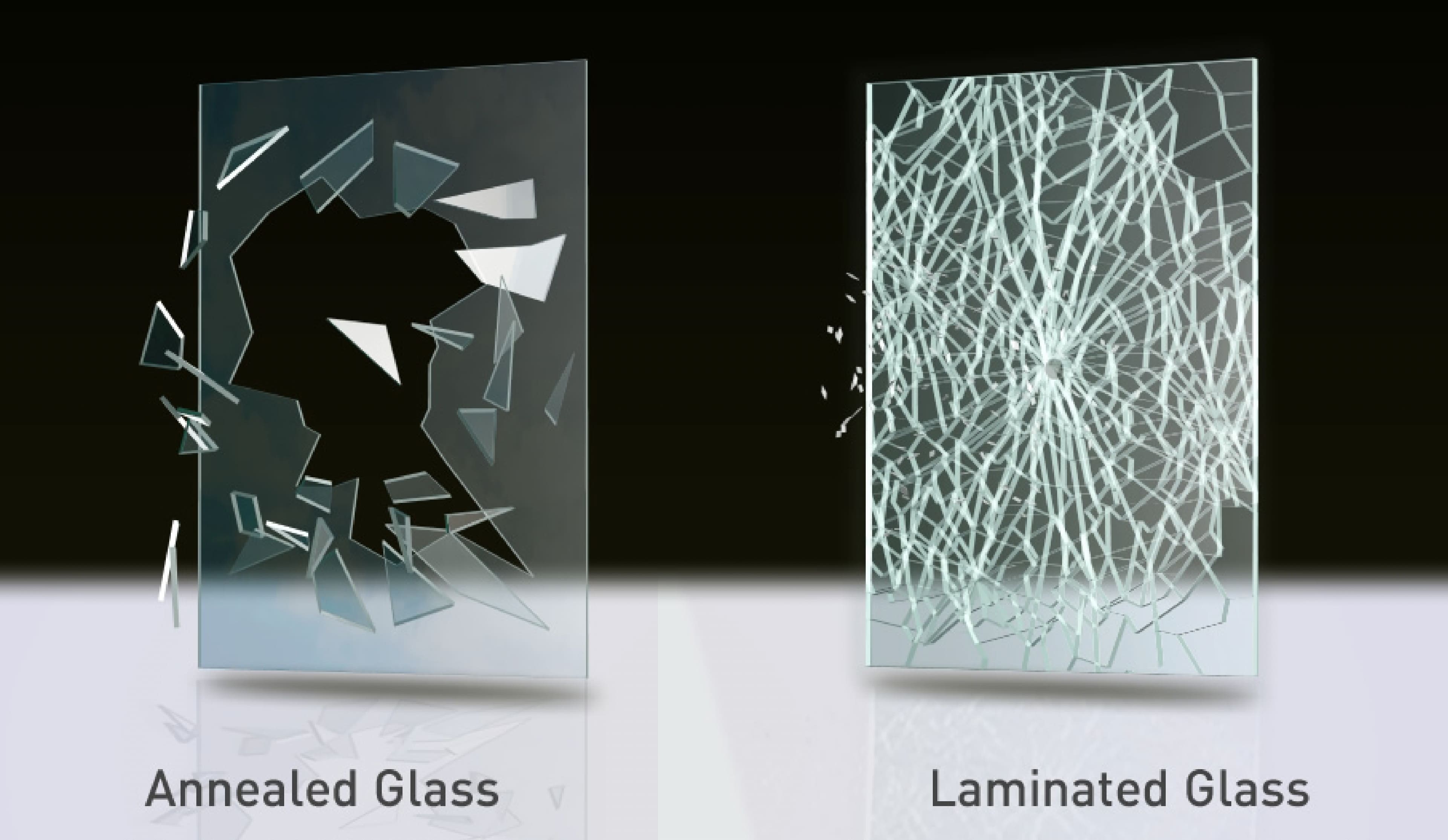
Image sourced from https://pioneer.glass/services/safety-glass/
Now, you may wonder: How does GoodWe integrate VSG into its product designs?
GoodWe has incorporated Laminated Safety Glass (VSG) into the design of the Polaris series photovoltaic (PV) modules. These modules use multi-layered glass construction, with VSG providing a durable and safe barrier between photovoltaic cells and the surrounding environment.
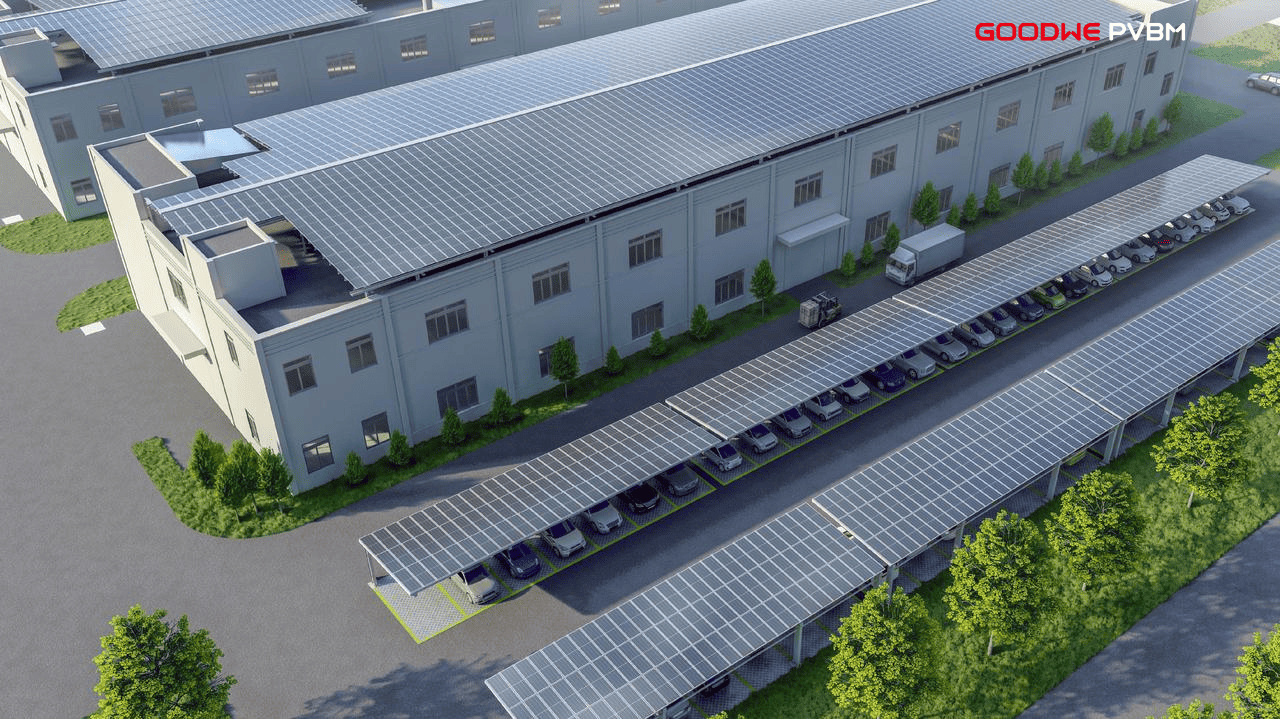
With a thickness of 2 + 2 mm, the VSG glass integrated into the GoodWe Polaris offers 2X the flexural strength of heat-strengthened soda lime glass according to DIN EN 1863, providing exceptional durability and stability. This enhanced strength significantly improves energy efficiency and makes the modules ideal for integration into building skins, façades, carports, and roofs, ensuring long-lasting performance under demanding conditions.
So, what are the advantages of using VSG in photovoltaic panels?
The use of VSG in photovoltaic panels offers several benefits:
Enhanced Safety: VSG provides additional protection by preventing the glass from shattering into dangerous fragments.
Energy Generation: VSG-enabled solar panels can generate energy while seamlessly integrating into the building’s design, serving as both a structural and energy-producing element.
Long-Term Durability: By passing rigorous weathering tests and adhering to high safety standards, VSG ensures that solar panels like the Polaris series have a longer lifespan compared to traditional solar panels. Polaris has successfully passed 2,000 hours of intense radiation testing, confirming its robustness for long-term use.
How does GoodWe ensure the safety and compatibility of its products in building designs?
The Polaris series has undergone extensive testing according to ISO 12543-4, confirming that it meets the DIN 18008 standards for Laminated Safety Glass, ensuring both proper manufacturing and application to guarantee structural safety. This certification ensures that the panels not only meet safety requirements but also comply with building regulations for use in various architectural applications, including commercial carports, public buildings, and residential projects. By adhering to these strict standards, GoodWe has removed the safety and liability concerns that often delay Building-Integrated Photovoltaics (BIPV) projects, allowing architects and engineers to confidently integrate Polaris panels into their designs.
What makes the GoodWe Polaris series stand out in the market?
The Polaris series goes beyond just being a solar panel; it is a certified building material. The panels offer seamless integration into building structures without compromising safety, durability, or aesthetic value. With high-efficiency power generation and weather-resistant properties, they provide a sustainable and safe solution for energy production in architectural projects. Whether for residential façades, commercial roofing, or public infrastructure, Polaris panels meet the demands of modern building design while ensuring long-term performance.
Learn More Now
Visit the GoodWe Polaris website (https://en.pvbm.com/products/polaris) today to discover how our solutions can help bring your building projects into a sustainable future.


